Some of us spend time in Florida during the winter (I don’t know why since there is some much winter fun to be had here) but if you do you might be interested in a blog and website just for Florida wildflowers. The Florida Wildflower Foundation is doing a lot of good things to educate the public about their plants. For the blog CLICK HERE. From there you can go to the website. – Steve Young
Are You a Florida Snowbird? Check Out the Florida Wildflower Blog.
Posted January 26, 2011 by nyfloraCategories: Publications, Apps, and Websites
Long Island Flora Sampler 2010
Posted January 25, 2011 by nyfloraCategories: Field Trips, Rare Plants
If you are tired of the frigid cold and mountains of snow, here is a sampling of some of my favorite photos from the summer of 2010 that I took during my travels around Long Island. Something to look forward to next field season. Keep abreast of our newsletter and calendar for announcements of future NYFA field trips for 2011. You can click on the photos for a larger image- Steve Young
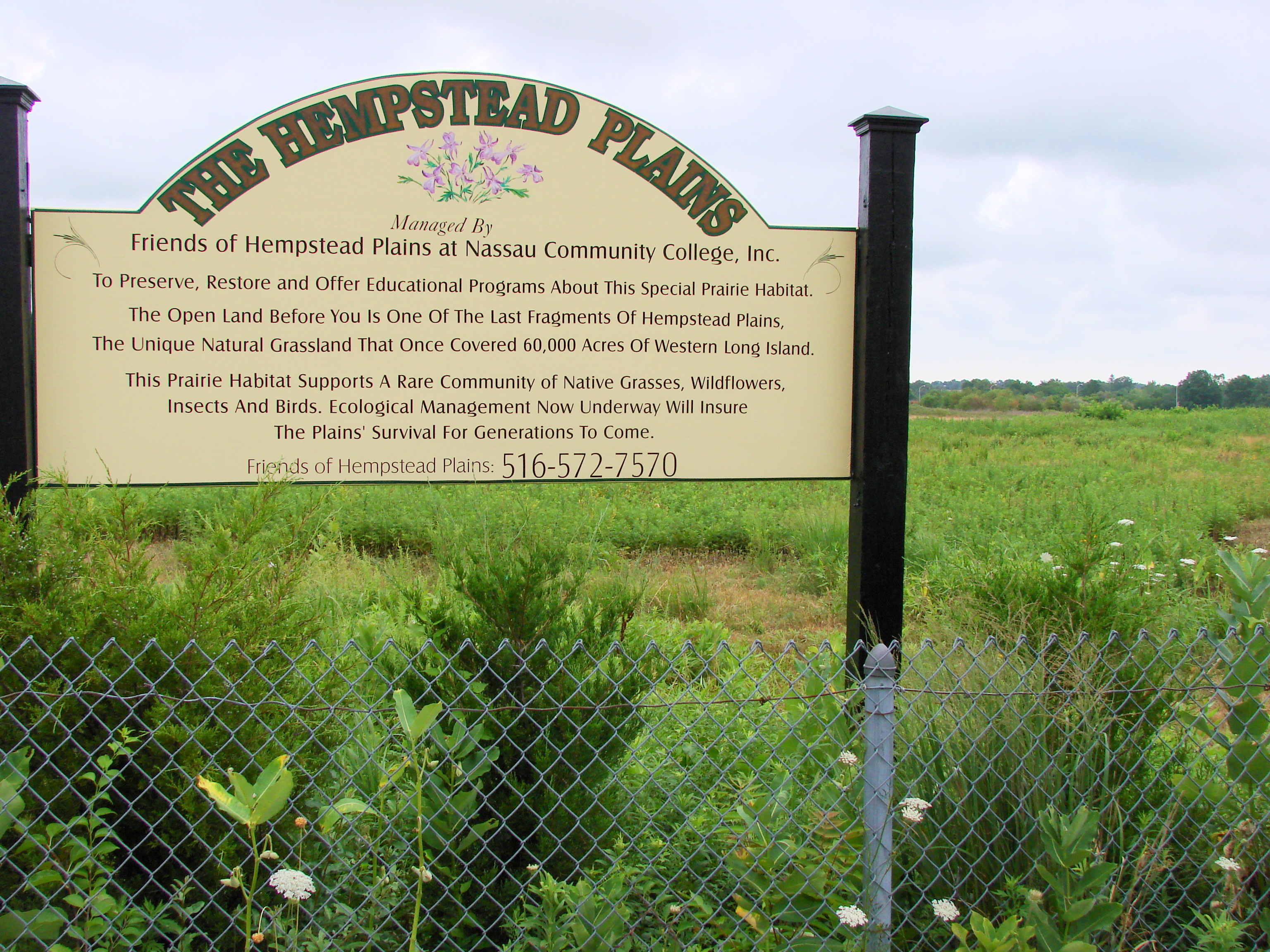
Welcome to the Hempstead Plains in Nassau County where volunteers work hard to preserve a remnant of the Hempstead Plains grasslands.

Looking west across the plains dominated by little bluestem and other grasses.
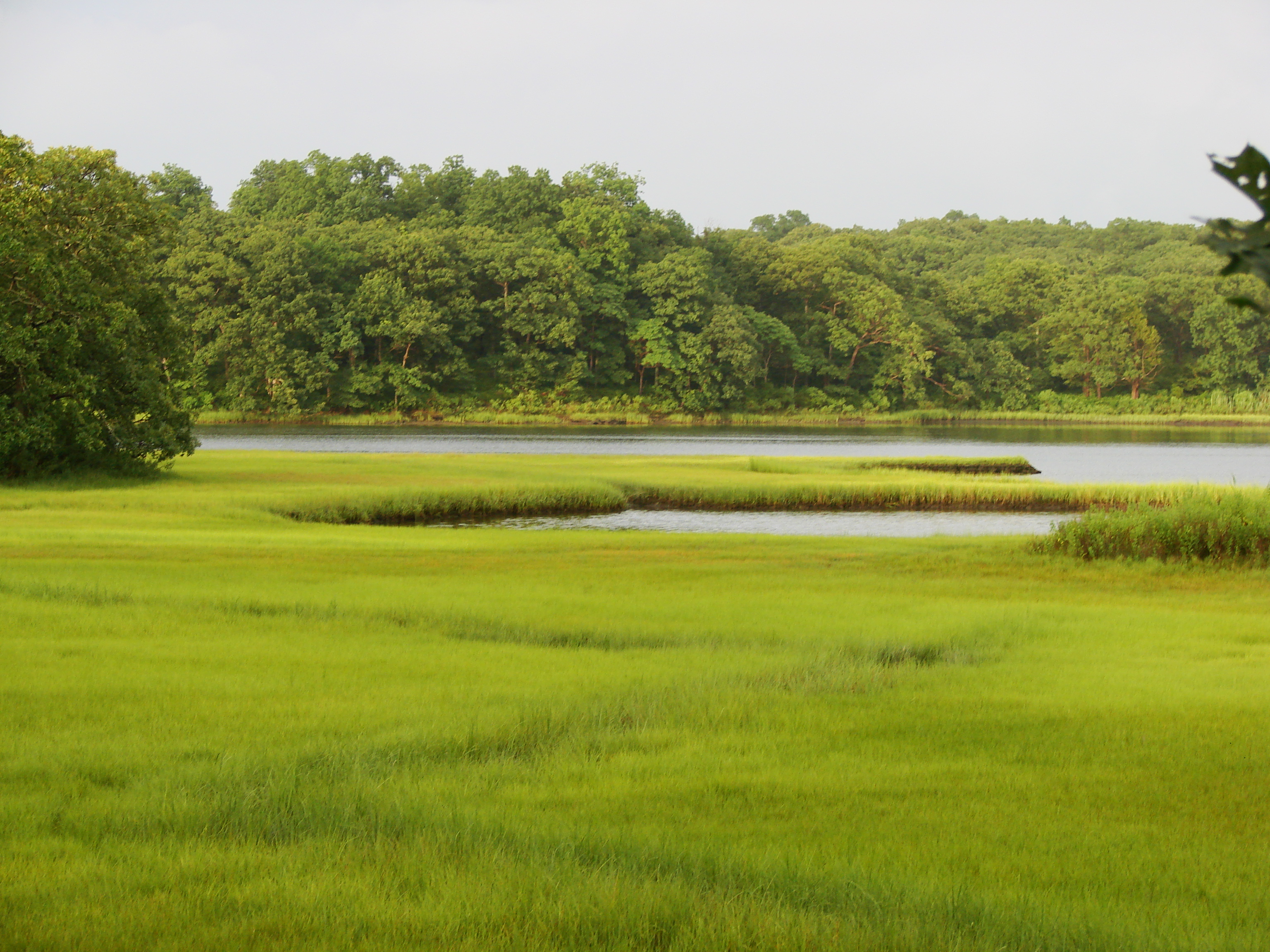
A salt marsh on Shelter Island's Mashomack Preserve.
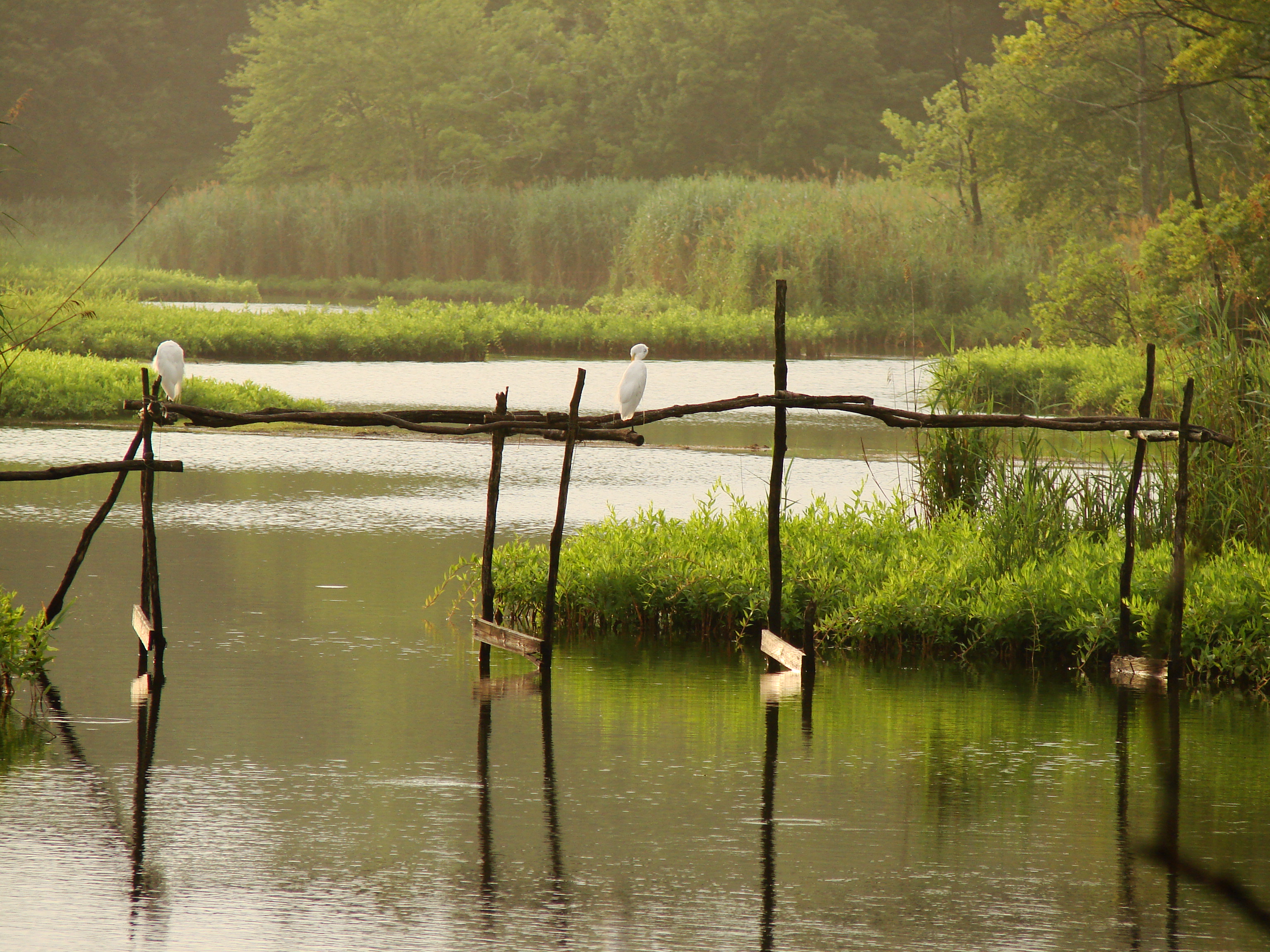
An inlet of the salt marsh at Mashomack.

Bracken ferns line the sandy roadsides on a cloudy day.

You need a good search image to count the long basal leaves of the rare Platanthera ciliaris, orange fringed orchid.

Platanthera ciliaris, orange fringed orchid, in bud on the South Fork.

A new cone of pitch pine at Hither Hills.
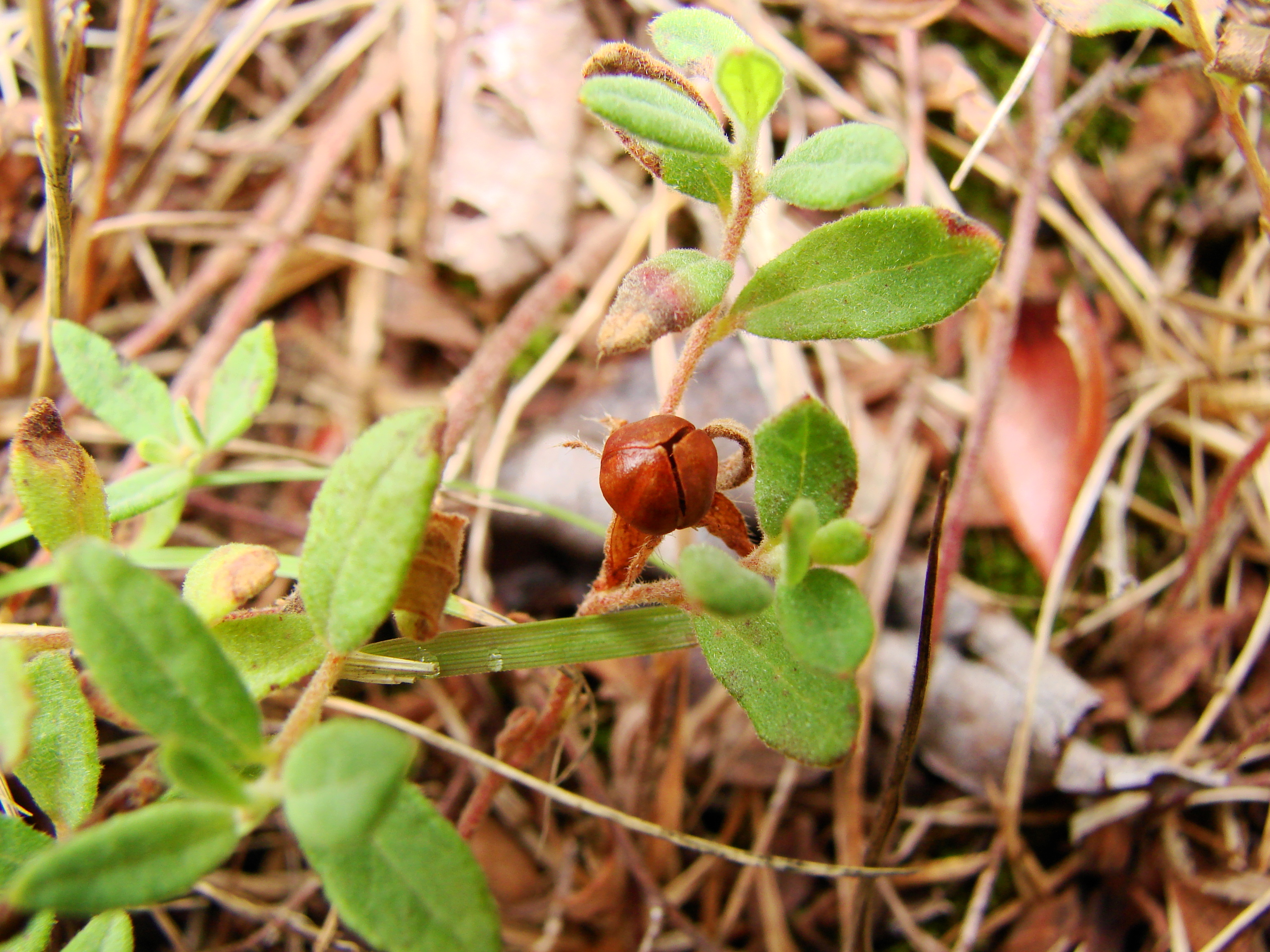
The shiny rust-colored capsule of the rare Crocanthemum dumosum, bushy rockrose help identify it in late summer.
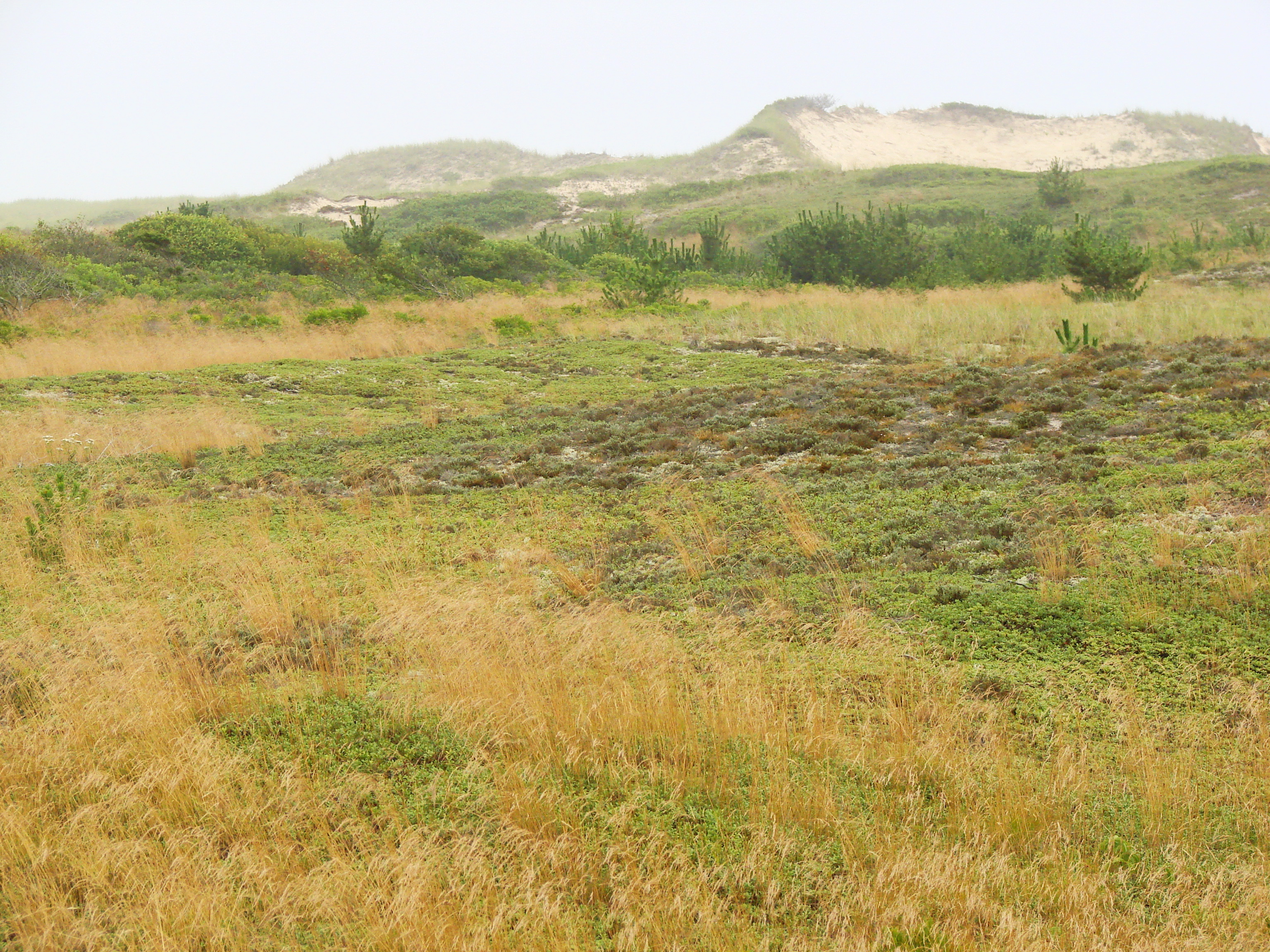
The cool fog blows over the dunes at Napeague.
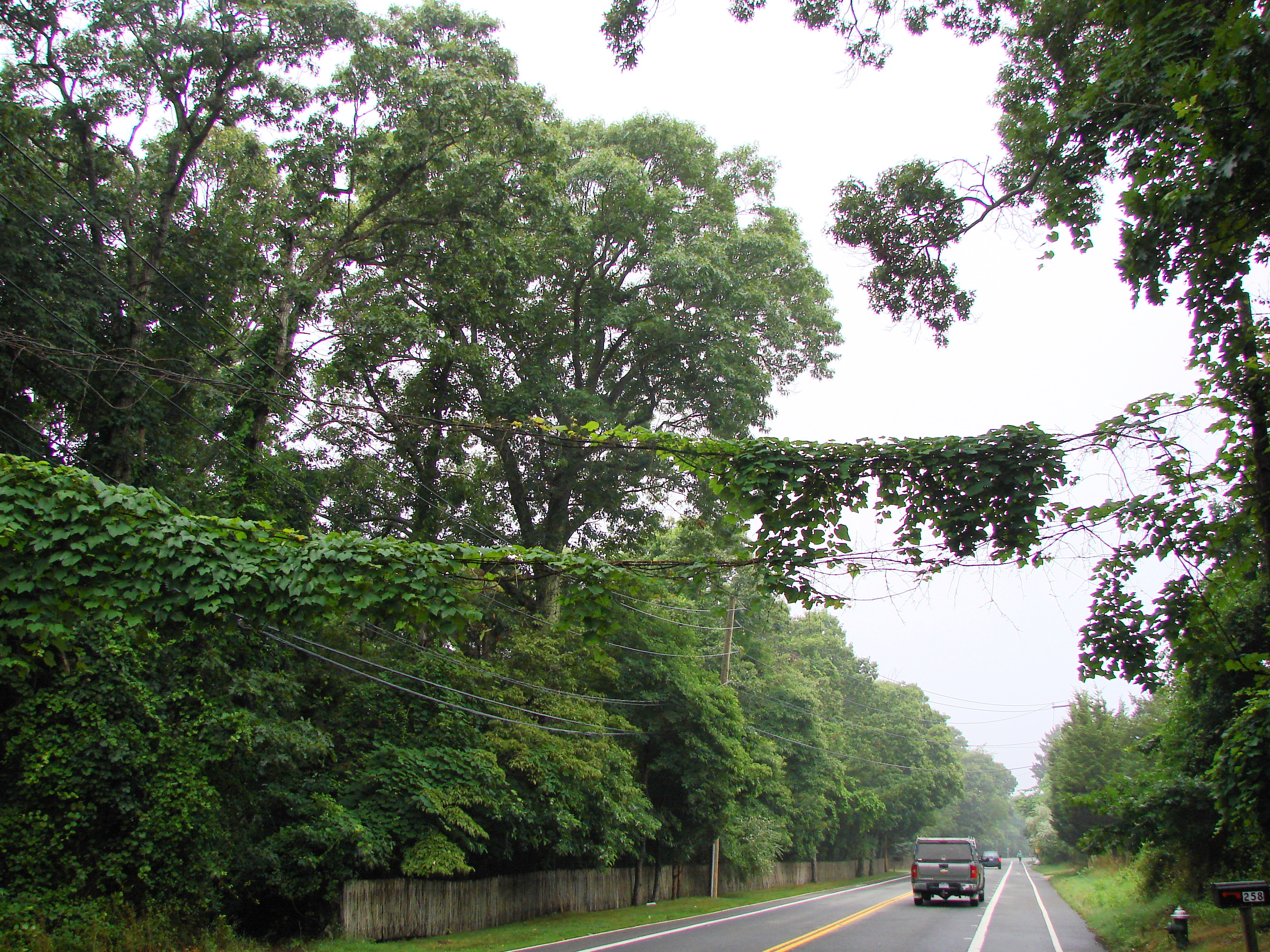
On the road to the Shelter Island Ferry is the only place I have see grape vine grow all the way across the road on electric lines. How come this doesn't happen more often?

A little crab spider on a flower of the rare salt marsh plant Sabatia stellaris, sea pink.
Beautiful State Flower Animation
Posted January 24, 2011 by nyfloraCategories: Publications, Apps, and Websites
CLICK HERE to see a movie of all the state flowers and afterward you can click on a list of states to see the flower for that state. Quick, what is the state flower of New York?
Collecting Milkweed Seed at the Brooklyn Botanic Garden
Posted January 23, 2011 by nyfloraCategories: Field Techniques, Horticulture
Here is a video that features Dr. Gerry Moore demonstrating how they collect seed and press plants at the garden.
The Cheetah of Mosses
Posted January 21, 2011 by nyfloraCategories: Bryophytes
Not noted for their speed and agility, the individuals in this species of peat moss are “the most genetically uniform widespread group of plants known.” It turns out that each individual Sphagnum subnitens in northwestern North America is genetically identical and descended from a single parent plant. READ MORE
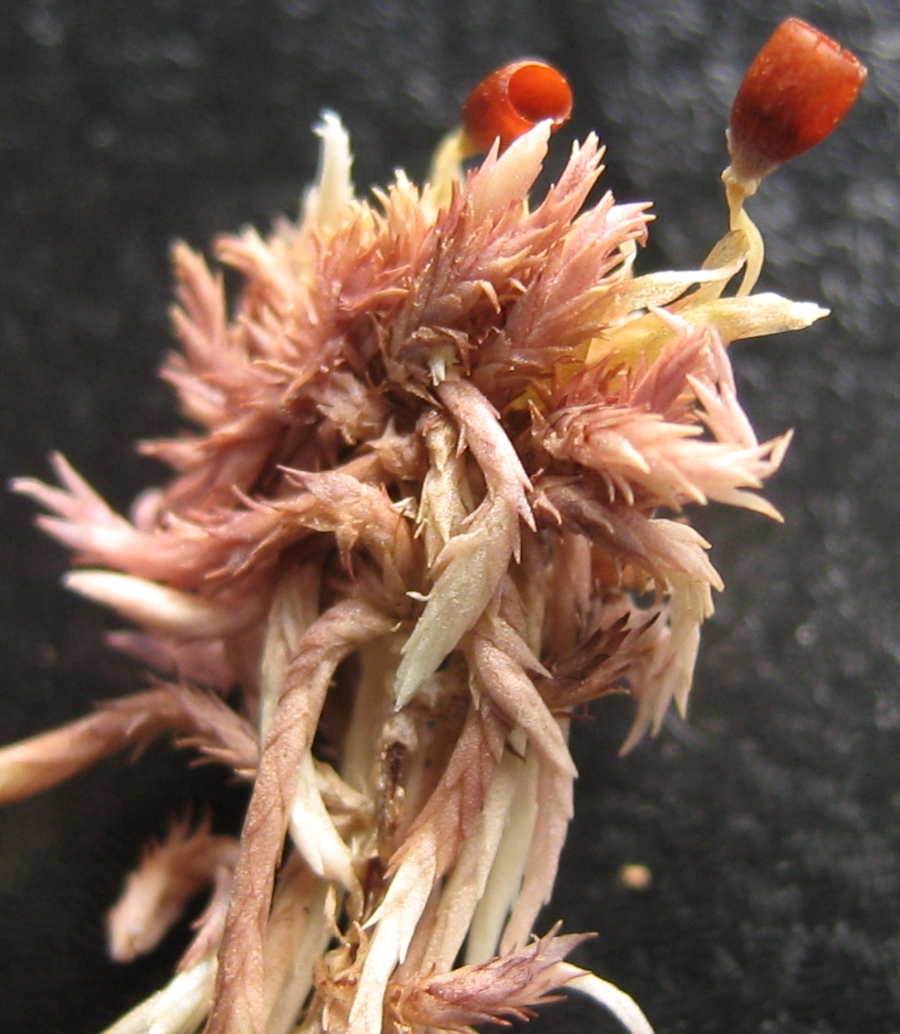
Sphagnum subnitens. Photo by Eric Karlin.
What is Inside That Goldenrod Ball Gall?
Posted January 21, 2011 by nyfloraCategories: Ecology
Even though there is snow on the ground and freezing cold the fruits and old stalks of some of our herbaceous plants are still visible, especially the goldenrods. There is an online key available to help you identify the most common insects found in goldenrod gall balls. It is produced at Bucknell University and you can access it HERE.

The parasitoid wasp of the gall fly.
Upcoming bryology workshops
Posted January 21, 2011 by nyfloraCategories: Bryophytes, Classes and Workshops, Field Techniques, Field Trips, Happenings, Plant Identification, Taxonomy, Uncategorized
There are three upcoming bryological courses and excursions this spring! They’re not being held in our region, but many bryophytes are quite cosmopolitan so it’s likely that you’d encounter species that occur in New York. Certainly the lab skills and camaraderie would be worth the trip.
Intermediate Bryology will be offered by Dr. David Wagner on the University of Oregon campus on March 21-23. The objective of this workshop will be a fairly intensive practice using the contemporary keys pertinent to the area. Most of the time will be spent in the teaching lab, with an afternoon excursion on the first day for field experience. Time will be available for participants who bring personal collections to work on them under expert supervision. Tuition is $300. Contact Dr. Wagner for more information (541-344-3327 / davidwagner@mac.com).
The 16th Annual SO BE FREE foray will be held in the lower elevations of the northern Sierra Nevada Mountains near Quincy, California on March 23-26. The area offers great sites for montane coniferous, mixed coniferous-hardwood forests; canyon oak forests; rocky outcrops; and chaparral, all in the steep North Fork of the Feather River canyon. There will be flat trails and roadside areas to visit for easy access. Bryophyte diversity will span from California’s spring ephemerals, bryophytes of springs, streamlets, and rivers to the great diversity found on rocky outcrops. Beginning bryologists are welcome, and they are planning some special activities for beginners, as well as serious fieldtrips that will be exciting for the hard-core. CLICK HERE for more info.
An Introduction to Bryophytes will be offered by Dr. Stephen Timme in the botany lab on the Pittsburg (Kansas) State University campus on April 2-3. It is designed to provide an introduction to basic characteristics and techniques for identification of some of the more common species found in the prairie, oak/hickory forests, and rock outcrops in the central U.S. Techniques will include the proper use of the microscope, free-hand sections, terminology, and making semi-permanent mounts. The workshop will be topped off with a field trip. Contact Dr. Timme for more information (417-658-5473 / slt@pittstate.edu).
Invasive Gnomes Becoming a Problem
Posted January 21, 2011 by nyfloraCategories: Horticulture, Invasive Species
To stay in tune with the coming gnome movie (Gnomeo and Juliet) we found a video to help you control what may be a growing problem. When it comes to invasives we all need some comic relief.- Steve Young
Botany Photo of the Day Website
Posted January 19, 2011 by nyfloraCategories: Publications, Apps, and Websites
The UBC Botanical Garden in Vancouver produces this website with plants from all over the world. The accompanying text is sometimes pretty long so a lot of work goes into each entry. CLICK HERE for the website.
Frazil Ice at Yosemite Video: Like the Hudson River at The Glen
Posted January 18, 2011 by nyfloraCategories: Ecology, Natural History
Evelyn Greene sent a link to this video to show how frazil ice is formed in Yosemite. It is the same process that builds the ice we see on the ice meadows at The Glen on the Hudson River. Evelyn has studied this phenomenon for years and how it affects the unique flora of the area. You can visit the Hudson River north of Warrensburg up to North Creek to see our own version of this beautiful natural event.


 New York Flora Association Blog