21 New Rare Plant Guides for Long Island Posted

Posted April 12, 2011 by nyflora
Categories: Publications, Apps, and Websites, Rare Plants

The New York Natural Program recently posted 21 new rare plant guides on their guides website. Most of these are rare plants that might occur along roadsides on the island. The list is below. If you would like to access the site CLICK HERE. In the next year many more plants will be posted as they are completed.

Cenchrus tribuloides Dune Sandspur

Crocanthemum dumosum Bushy Rockrose

Desmodium ciliare Little-leaf Tick-trefoil

Digitaria filiformis Slender Crabgrass

Diospyros virginiana Persimmon

Eupatorium album var. subvenosum Trinerved White Boneset

Euphorbia ipecacuanhae American Ipecac

Ipomoea pandurata Wild Potato-vine

Linum intercursum Sandplain Wild Flax

Linum sulcatum Yellow Wild Flax

Oenothera oakesiana Oake’s Evening Primrose

Paspalum laeve Field Beadgrass

Plantago maritima var. juncoides Seaside Plantain

Platanthera ciliaris Orange Fringed Orchid

Platanthera cristata Crested Fringed Orchid

Quercus phellos Willow Oak

Scleria minor Slender Nutrush

Symphyotrichum concolor var. concolor Silvery Aster

Tripsacum dactyloides Northern Gamma Grass

Viburnum dentatum var. venosum Southern Arrowwood

Viola brittoniana Coast Violet
Report: Researchers Say Children Need Green Plant Interventions

Posted April 11, 2011 by nyflora
Categories: Education and Research, General, Horticulture, Plant Identification

This is an article from the Green Local 175 in Rome/Utica:

Helsinki, Finland (SPX) Apr 5, 2011

Could “interventions” bring children closer to nature? Researchers in Finland think so. A new study published in HortTechnology compares urban and rural children’s relationships with plants and recommends horticultural interventions, especially for urban children. In Finland, a country famous for its forests and wilderness, researchers Taina Laaksoharju from the Department of Agricultural Sciences at the University of Helsinki and Erja Rappe of The Martha Association teamed up to investigate the role of vegetation in the lives of urban and rural children. “We were interested in finding out if it is true that children are not interested in plants or playing outdoors”, they noted. The study examined the relationships of 9- and 10-year-old Finnish school children to the environment and plants. Using a questionnaire of structured and open-ended questions, the researchers focused on two comparisons: children’s relationships with nature in rural and urban neighborhoods, and preferences for plants among boys and girls. 76 children-42 in the Helsinki suburb area and 34 in a rural area-participated in the study.

Results suggested that children living in rural surroundings had closer contact with nature than their urban counterparts. For example, more rural children considered people to be “part of nature” than did urban children. The researchers noted that, like children in other Western countries, Finnish children may be in danger of losing direct contact with the natural environment. “This suggests that further research is essential to understand children’s experiences if we are to enhance the crucial role of the environment in their lives”, they wrote. The children’s answers indicated that natural areas are important arenas for children’s free play and socializing. “In the suburbs, closer connections to nature are rare; interventions in schools, especially outdoor horticultural ones, can help children to build their relationship to vegetation.” The research also showed significant differences in the ways boys and girl experience green plants. Girls were more interested in plants in general, and were more eager to learn about plants than were the boys. Boys saw themselves as more independent of nature; more than 30% of the boys said that they could live without vegetation. Boys wrote that plants are meaningful mainly for nutrition and general living conditions, whereas girls appreciated the beauty of flowers and plants.

Laaksoharju and Rappe included recommendations for delivery of horticultural lessons based on remarks from the 9- and 10-year-old boys, who said that they did not like lectures, but enjoyed working with plants. “Learning by doing in an informal learning environment suits the kinesthetic boys better than sitting at a desk listening to a teacher”, they said. “Horticultural interventions can be effective starting points to add to children’s knowledge, affection, and interest toward greenery, but it is highly recommended that they take place outdoors rather than indoors.” The complete study and abstract are available at : http://horttech.ashspublications.org/cgi/content/abstract/20/4/689

The New York Flora Association supports any program that will get kids out into nature to learn plants. Let us know if you are aware of any in New York and we will post them.

NY Times: Plants We Have Lost From New York City

Posted April 10, 2011 by nyflora
Categories: Publications, Apps, and Websites, Rare Plants

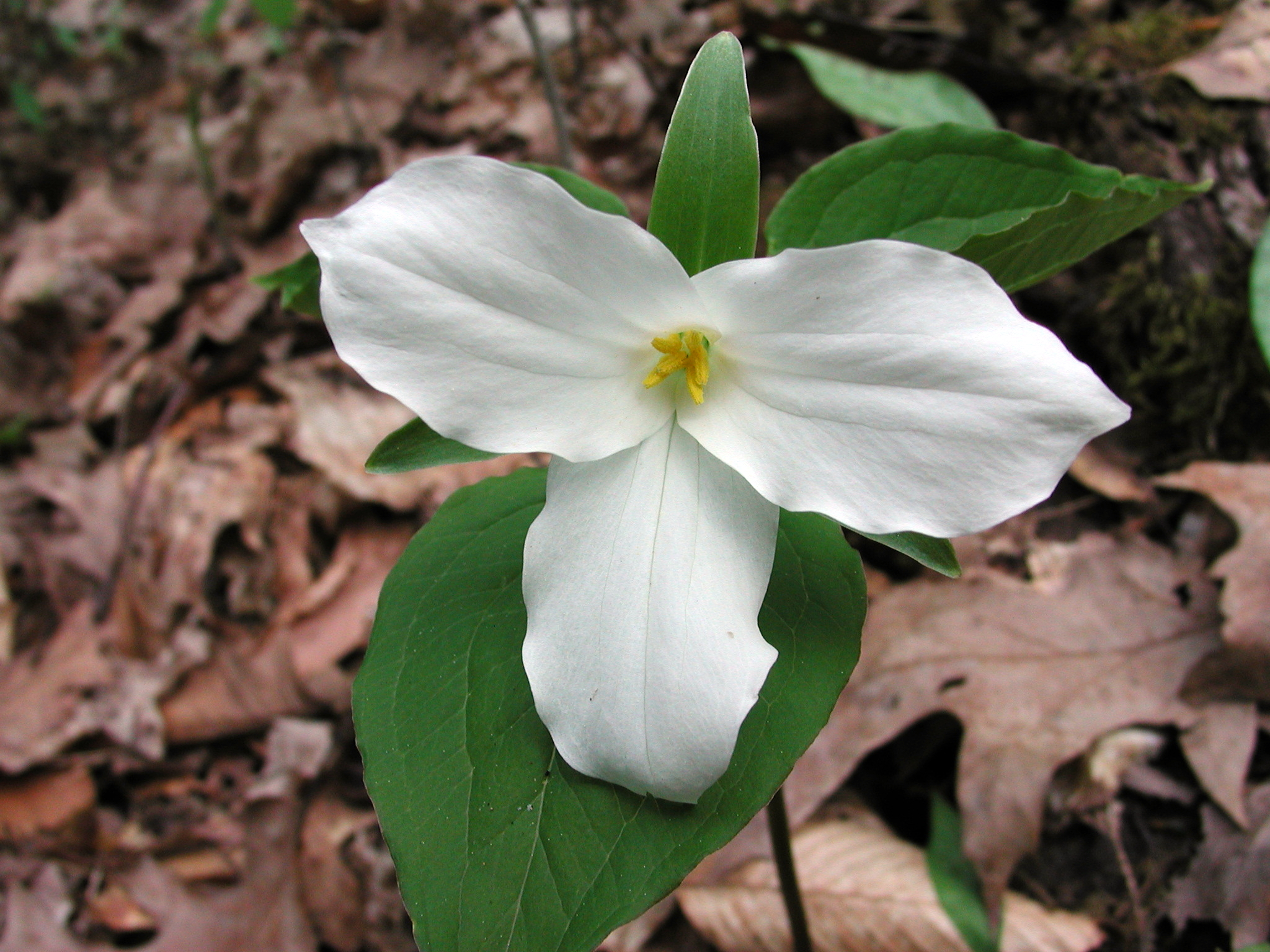
CLICK HERE to read and article and view drawings by Marielle Anzelone and Wendy Hollender about the plants that once grew in New York City but are now gone.

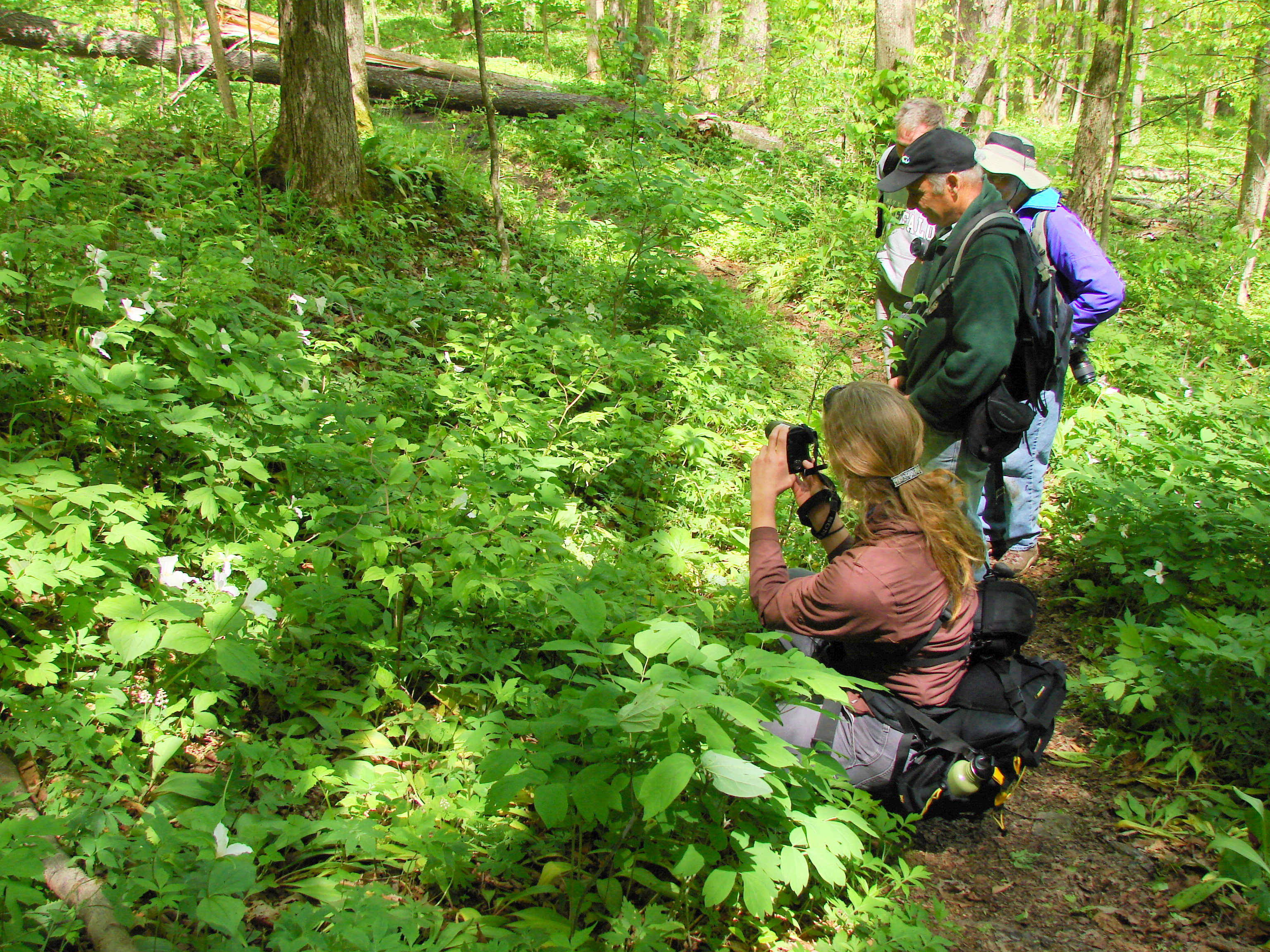
One of the plants that has not been seen in years is white trillium, Trillium grandiflorum. Photo Steve Young.

Orchid Information is Endless

Posted April 5, 2011 by nyflora
Categories: Plant Organizations, Publications, Apps, and Websites

Orchids are one of the most popular plant groups in the world and New York  is  no exception.  There are many websites, blogs and Facebook pages on the subject. For New York you can start with an article by Chuck Sheviak and myself on the orchids that appeared last June in the Conservationist.

On Facebook there is the Native Orchid Conservation Page which has a lot of information and links.

Below are some other interesting websites:

Central NY Orchid Society’s Native Orchids of New York

Northeastern New York Orchid Society, Albany, NY

The Florida Native Orchid Blog

Native Orchid Conservation Inc.

The Orchid Conservation Coalition

That’s enough for now.  Explore the web for many more. Fun fact: New York has more orchid species than Hawaii. – Steve Young

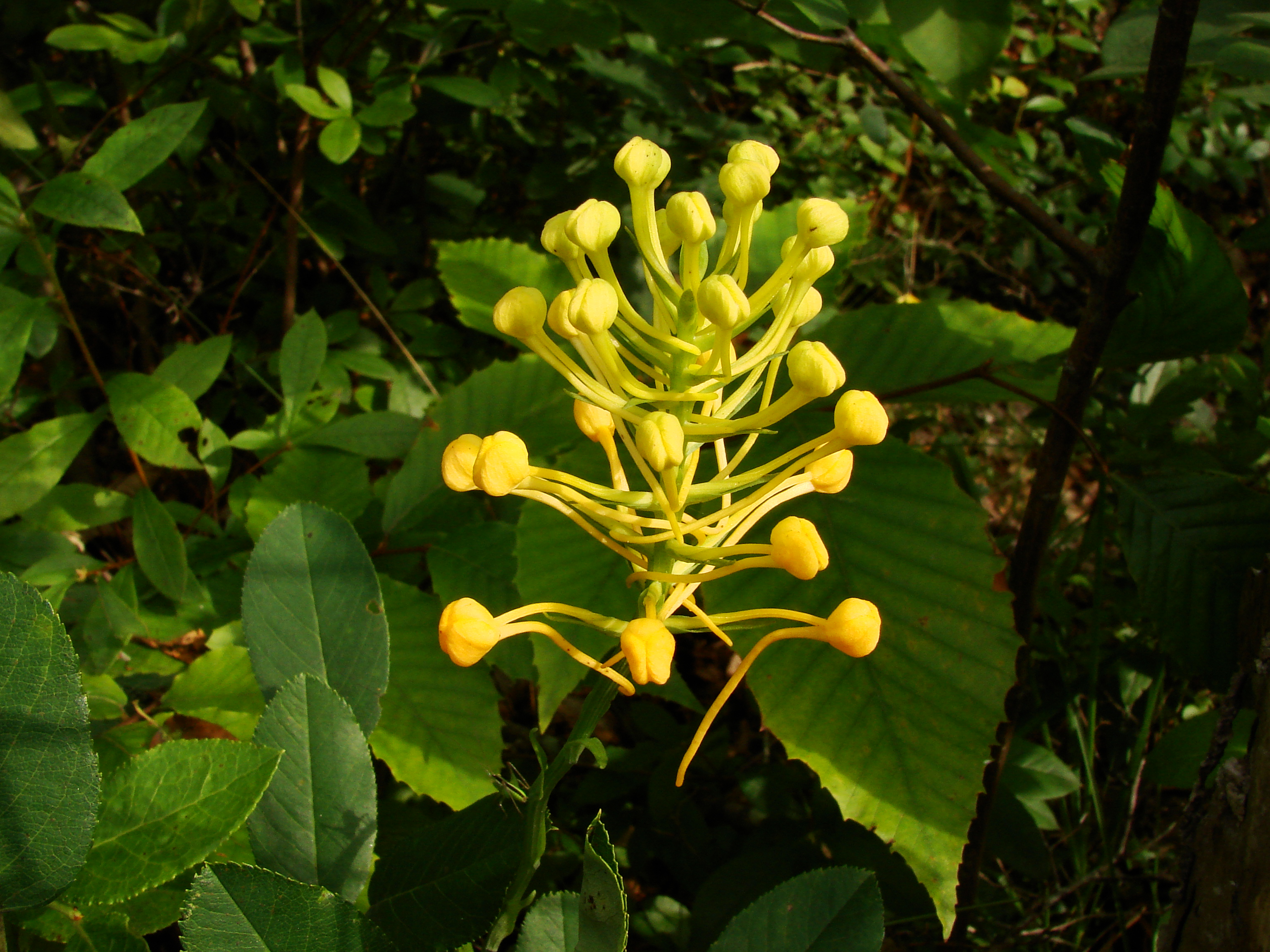
Orange Fringed Orchid about to bloom on Long Island. Photo Steve Young.

Massachusetts Spring Plant Quiz

Posted April 3, 2011 by nyflora
Categories: Quiz

This quiz comes to us from Salicicola, a website for native plants of Eastern Massachusetts. To take the quiz CLICK HERE.

The Vasculum Blog

Posted March 31, 2011 by nyflora
Categories: Publications, Apps, and Websites

I ran across this botany-based blog recently looking for information on invasive species.  It contains interesting information about many aspects of botany with some nice photos and descriptions of plants that also occur in New York.  To see it CLICK HERE.

Check the NYFA Calendar. Many Events are Posted.

Posted March 30, 2011 by nyflora
Categories: Happenings

Lots of events are happening this spring so check the NYFA calendar for a walk or talk near you.  CLICK HERE to see the calendar. If you have an event you would like to post send them to editor@nyflora.org.

Join a walk to see our beautiful spring flora. Photo Steve Young.

Early Morning at the South Ferry Salt Marsh

Posted March 28, 2011 by nyflora
Categories: Field Trips

by Steve Young – NY Natural Heritage Program

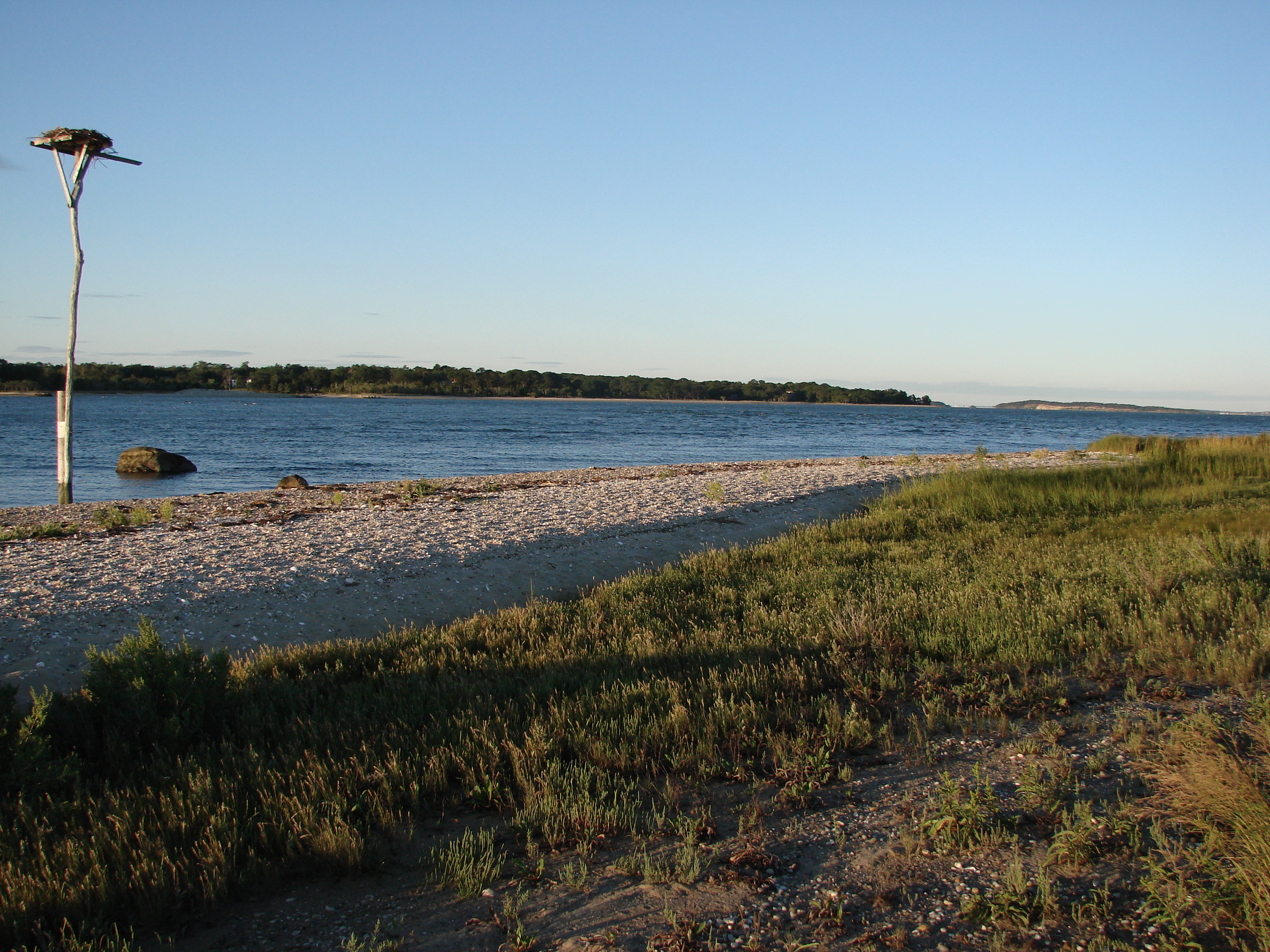
Last summer I had to leave early from Mashomack Preserve  on Shelter Island for a field trip to Long Island.  While I waited for the South Ferry I decided to explore the marsh to the west where a friend had told me there were some interesting plants. He was right.

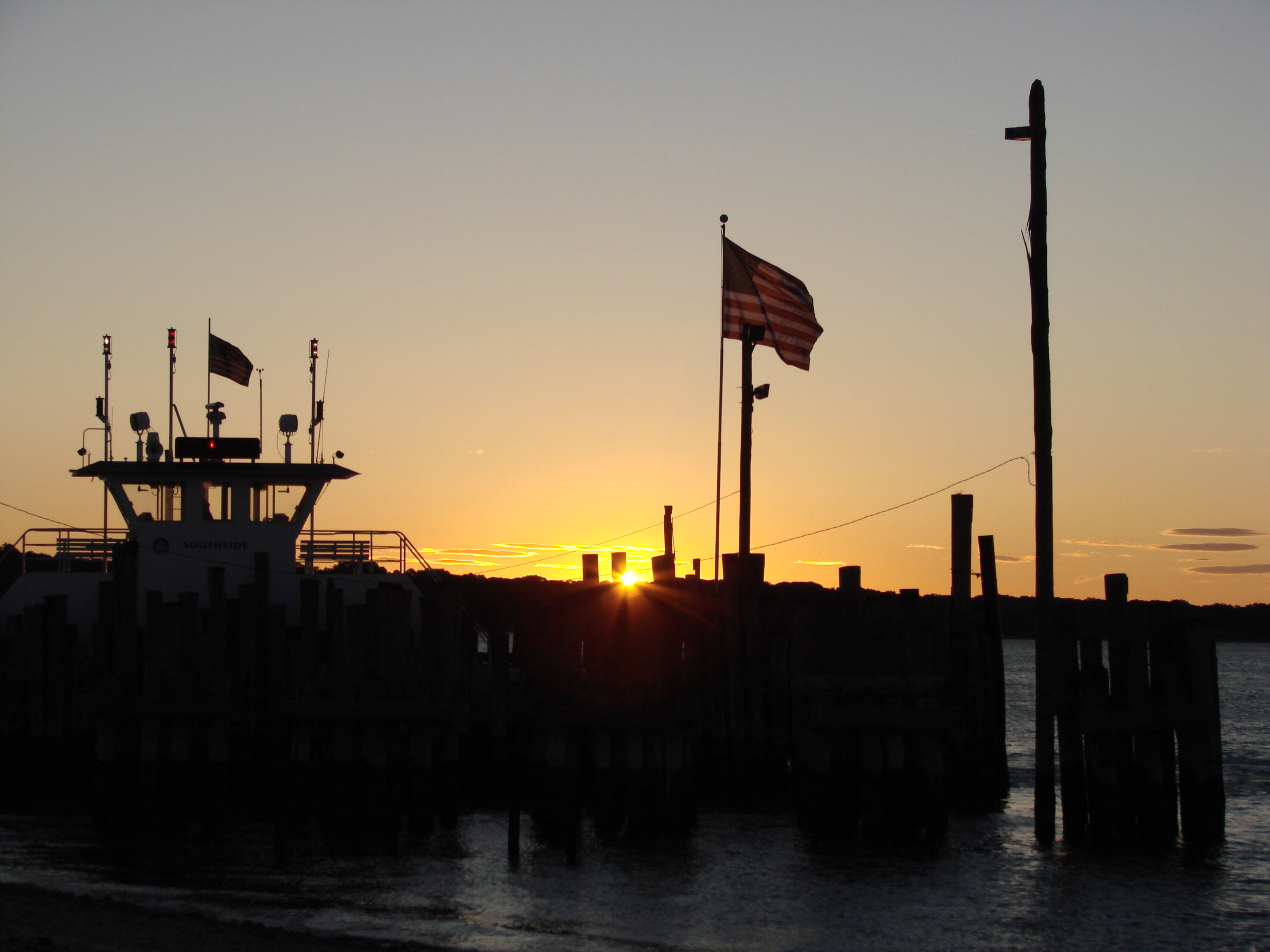
The early morning sun comes up over the ferry.

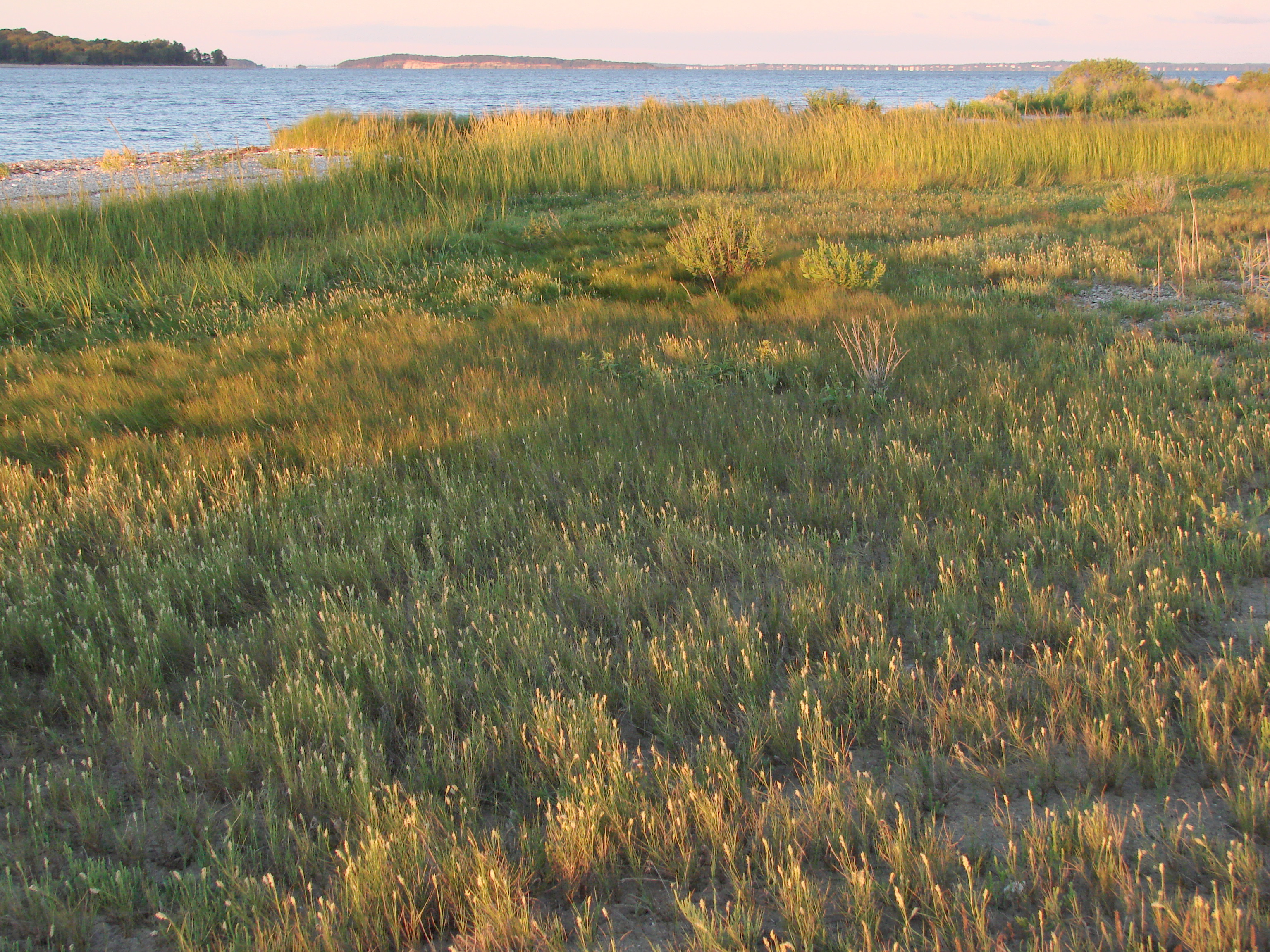
Salt grass, Distichlis spicata, is lit up by the low sun angle.

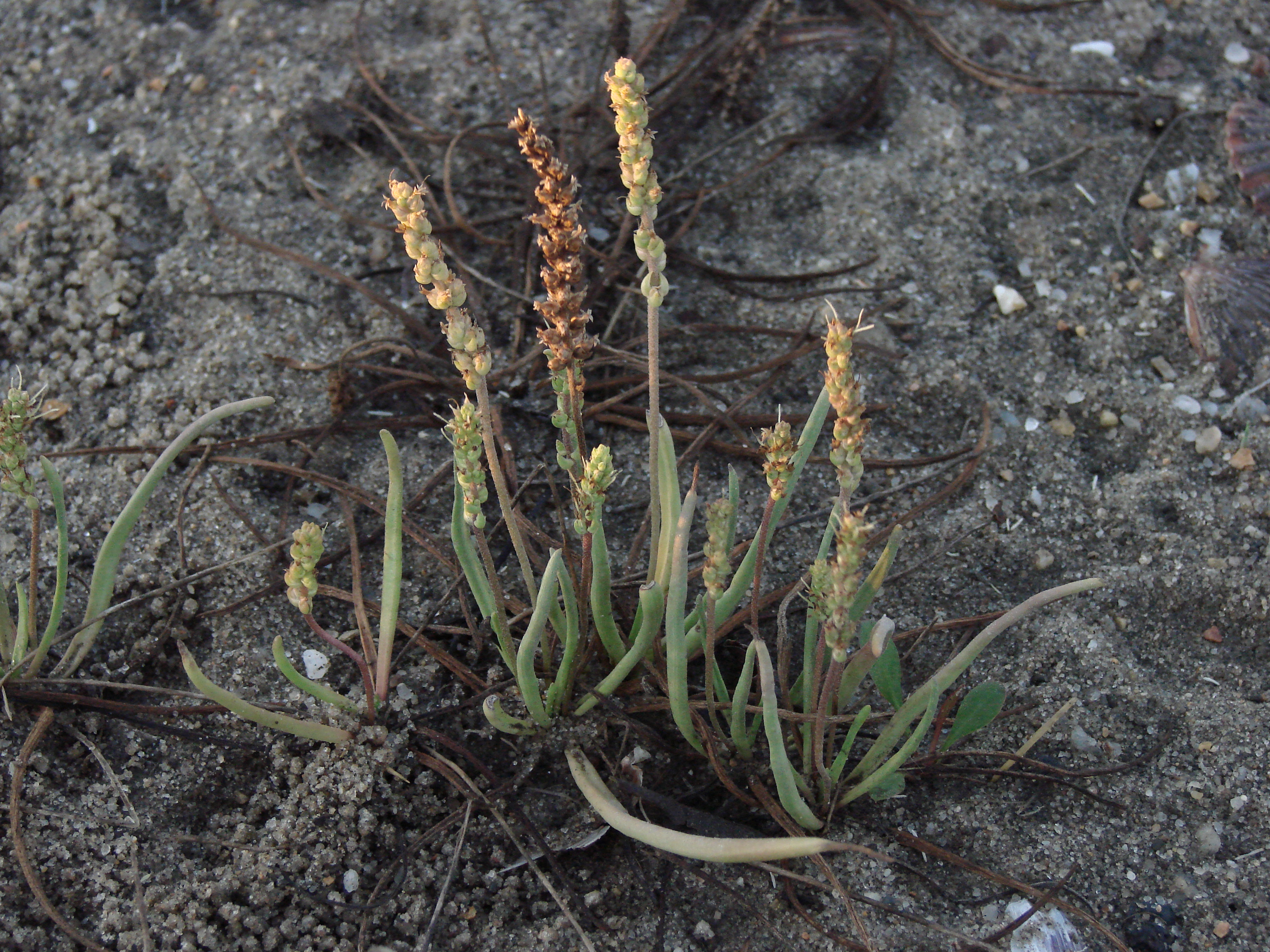
The seaside plantain, Plantago maritima ssp. juncoides is our only plantain that grows in saltwater.

Two species of glasswort grow here. Sarcocornia pacifica, pictured here, has rhizomatous stems

Dwarf glasswort, Salicornia bigelovii, is a single-stemmed annual with thick stems and a leaf scale that has a mucronate (pointed) tip.

Here they are together. There is one other glasswort, Salicornia depressa, that is a single-stem annual but its scales are not mucronate and it has more narrow stems.

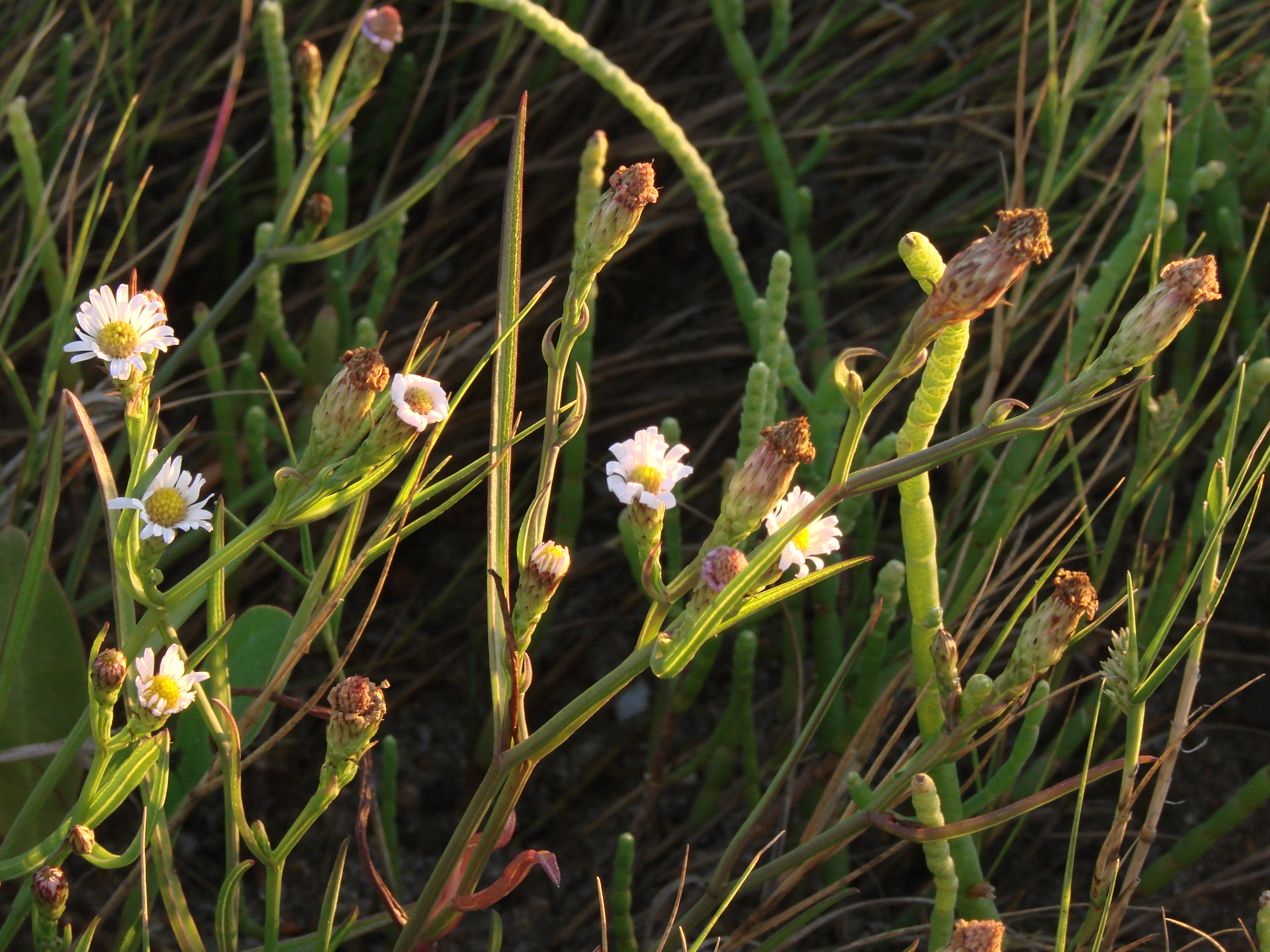
Slender saltmarsh aster, Symphyotrichum tenuifolium, added some white and yellow accents to the scene.

An osprey often keeps watch over the area.

Albany Pine Bush and Brookhaven National Lab Plants Lists Added to NYFA Plant List Map

Posted March 24, 2011 by nyflora
Categories: Plant Distribution

The Google map of plant lists for New York is now accessible on the “Plant Lists” tab on our main website www.nyflora.org.  Plant lists for the Albany Pine Bush and Brookhaven National Lab have just been added.

NYFA Fields Trips and Workshops for 2011

Posted March 19, 2011 by nyflora
Categories: Classes and Workshops, Field Trips

CLICK HERE to see the list of field trips and workshops scheduled for 2011.

We hope to see you at some of our outstanding workshops and field trips this year.