Interested in Pulling Kudzu in Rockland County? Here’s Your Chance.

Posted October 6, 2010 by nyflora
Categories: Invasive Species

For anyone interested in volunteering for the kudzu pull in late fall in Rockland County, NY we are awaiting landowner permission and should have a date specified soon.
Thank you,
Jessica Rohloff Cancelliere
Assistant Entomologist
Division of Lands and Forests
NYS Dept. of Environmental Conservation
(518) 810-1609
jarohlof@gw.dec.state.ny.us

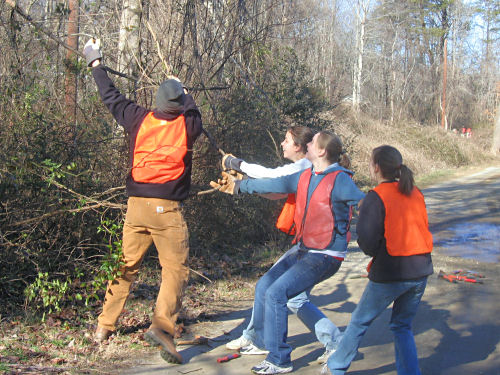
A Kudzu pulling party in South Carolina.

South Bay Task Force Blog (near City of Hudson)

Posted October 5, 2010 by nyflora
Categories: Plant Places

Tim O’Connor has put up some nice photos of the plants and natural areas of South Bay near the City of Hudson in Columbia County.  You can see them HERE.

Winter Ecology Walks and Botany Lab at Hawthorne Valley Farm, Columbia County

Posted October 5, 2010 by nyflora
Categories: Happenings

“Winter Explorations”–back by popular demand! A series of winter ecology walks to various locations throughout Columbia County. The walks will be on Saturdays, 12:30-2:30pm (Nov. 6, Dec. 11, Jan. 15, Feb. 12, and March 12), locations to be announced. The outings are free, but please register with claudia@hawthornevalleyfarm.org or call 672-7994 for information.

Botany Lab: Participants in the Natural History Survey Group will meet right after the “Winter Exploration” outings for botany lab sessions (3-5pm at the Creekhouse) to review some of the plant groups that are difficult to identify in the field. Limited space for new participants might be available. Contact us if you are interested in joining this in-depth botany study group.

Adirondack Follensby Pond Aerial Video

Posted October 5, 2010 by nyflora
Categories: Plant Places

Here is a aerial trip around Follensby Pond, the new purchase of The Nature Conservancy and recent site of a bioblitz.

For video CLICK HERE. Length 2:34.

Adirondack Spring Pond Bog Aerial Video

Posted October 5, 2010 by nyflora
Categories: Plant Places

If you have ever been to Spring Pond Bog, a patterned peatland, in the Adirondacks you will appreciate this video.  If you haven’t you will want to go there!

For video CLICK HERE. Length is 4:10.

The Northeast Natural History Conference Is Back!

Posted October 2, 2010 by nyflora
Categories: Happenings

Announcing the Northeast Natural History Conference 2011

and the Founding Meeting of the
Association of Northeastern Biologists

Join us for the 11th Northeast Natural History Conference (NENHC) and the historic first meeting of the Association of Northeastern Biologists (ANB). As with past years, this conference will be held at the Empire State Plaza Convention Center in Albany, NY. This conference promises to be the largest regional forum for researchers, natural resource managers, students, and naturalists to present current information on the varied aspects of applied field biology (freshwater, marine, and terrestrial) and natural history for the Northeastern United States and adjacent Canada. It will serve as a premier venue to identify research and management needs, foster friendships and collegial relationships, and encourage a greater region-wide interest in natural history by bringing people with diverse backgrounds together.

More information on their website: Click Here.

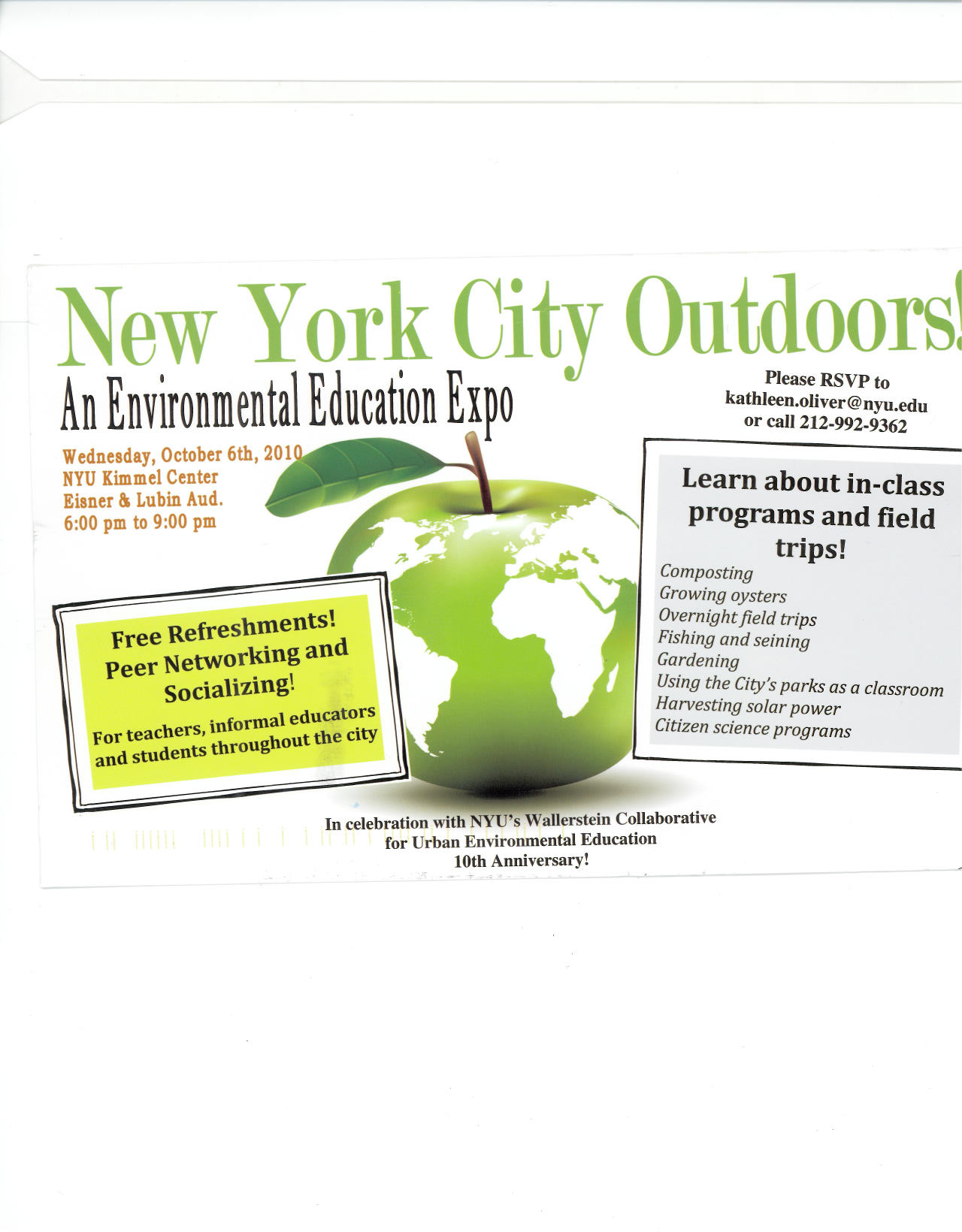
Environmental Education Expo in New York City October 6.

Posted October 2, 2010 by nyflora
Categories: Happenings

Talk on Native Plants at State Museum October 4th.

Posted September 29, 2010 by nyflora
Categories: Happenings

Fort Orange Garden Club

Albany, New York

Is  Pleased  to  Present

Dr. Douglas W. Tallamy

Author of: Bringing Nature Home

How you can sustain wildlife with native plants.

Monday, October 4, 2010 – 7 PM

New York State Museum, Hudson Auditorium

225 Madison Avenue, Albany, New York

Copies of Bringing Nature Home will be for sale

Admission:  $12.00 in advance; $15.00 at the door; seating is limited

Mail check, payable to FOGC, to Fort Orange Garden Club,

6 Carriage Hill Dr., Latham, New York 12110-4947

Free parking after 6 PM in lot adjacent to Museum and on the street.

Dr. Tallamy is a well known and highly respected scientist and is chair of the Department of Entomology at the University of Delaware. His book Bringing Nature Home won the Garden Writers Association of America Silver Medal in 2008 Doug argues that the choices we make as gardeners can profoundly impact the diversity of life in our yards, communities, and planet. All plants are not created equal in their ability to support wildlife, especially the birds and butterflies we so cherish in our yards.  In his book he gives a justification for the liberal use of native plants, shrubs, and trees in our landscape. He also gives us a new appreciation of the role of insects in his version of the Great Chain of Being.   He asks us to re-evaluate our centuries old love affair with alien ornamentals and to aggressively fight invasive aliens.  But above all, he argues for going native! His book gives a clear sense of the interrelationship of plants, insects, birds, butterflies, other wildlife, and humankind.  By favoring native plants over aliens, we as gardeners can do much to sustain the biodiversity that has been our country’s richest asset.  This diversity has been threatened by suburban sprawl, the paving of over 400 million linear miles of road, and our love affair with the perfect lawn.
In Search of Long Island Rare Plants 4 – Sandplain Gerardia

Posted September 27, 2010 by nyflora
Categories: Rare Plant Surveys

From Steve Young, NY Natural Heritage.

In August and early September I searched grassland habitat on Long Island for Sandplain Gerardia, Agalinis acuta.  There are only a few sites left on Long Island for this federally endangered plant but some new sites have been established by planting seeds in the last decade. With the help of volunteers Rich Kelly, Mike Feder and Carole Ryder we explored known grasslands and some new sites to see if sandplain geradia has been overlooked recently.  Unfortunately we did not see any new populations but saw other interesting plants during our search.  Most of the native grassland areas on Long Island are small and are now growing up to shrubland since active management has been reduced in recent years by budget cuts and other factors.  Here are some of the plants and habitats we saw.

Our quarry. Flowers of Agalinis acuta are pink and have a notch in the upper margin. Photo Carole Ryder.

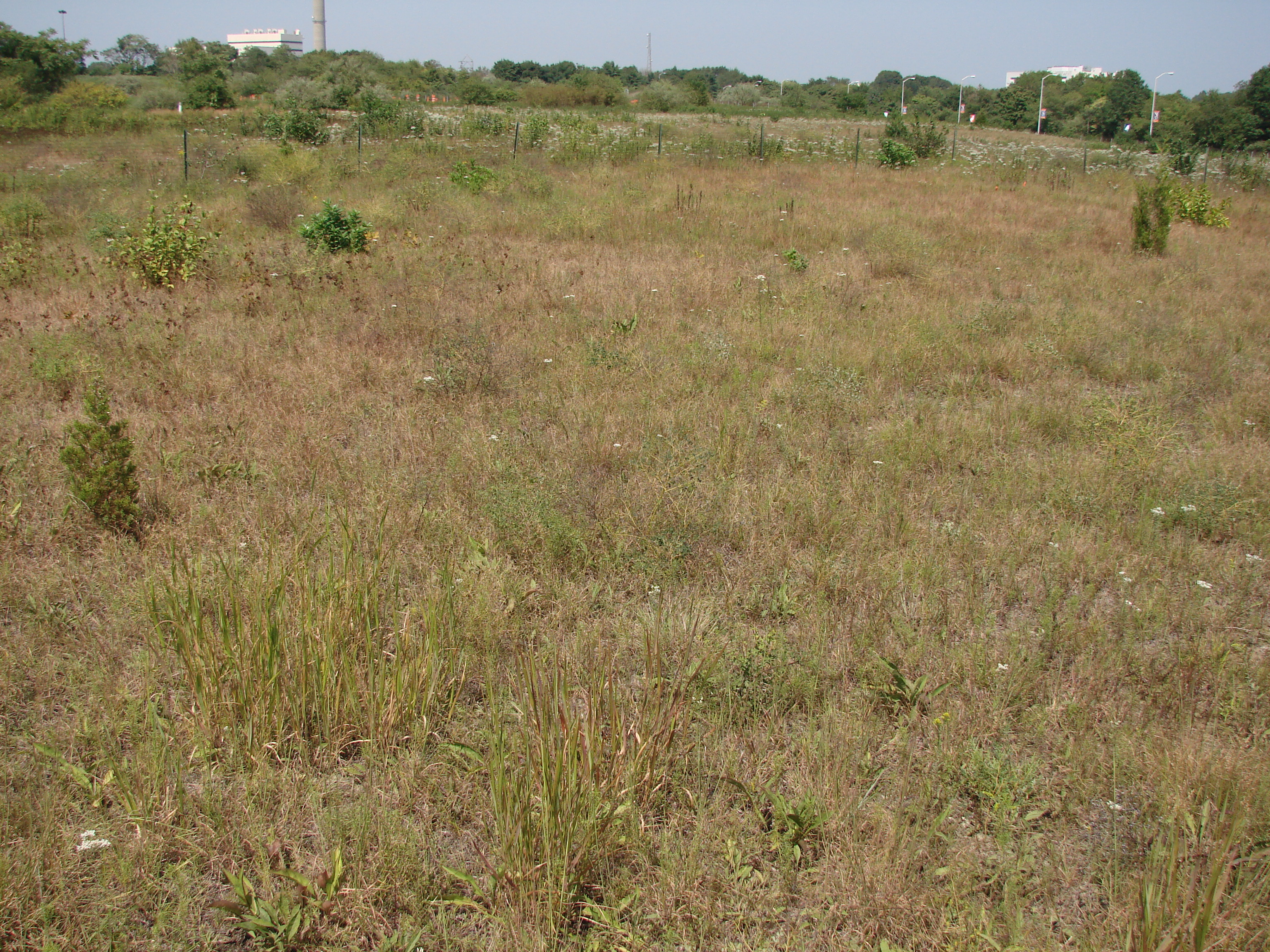
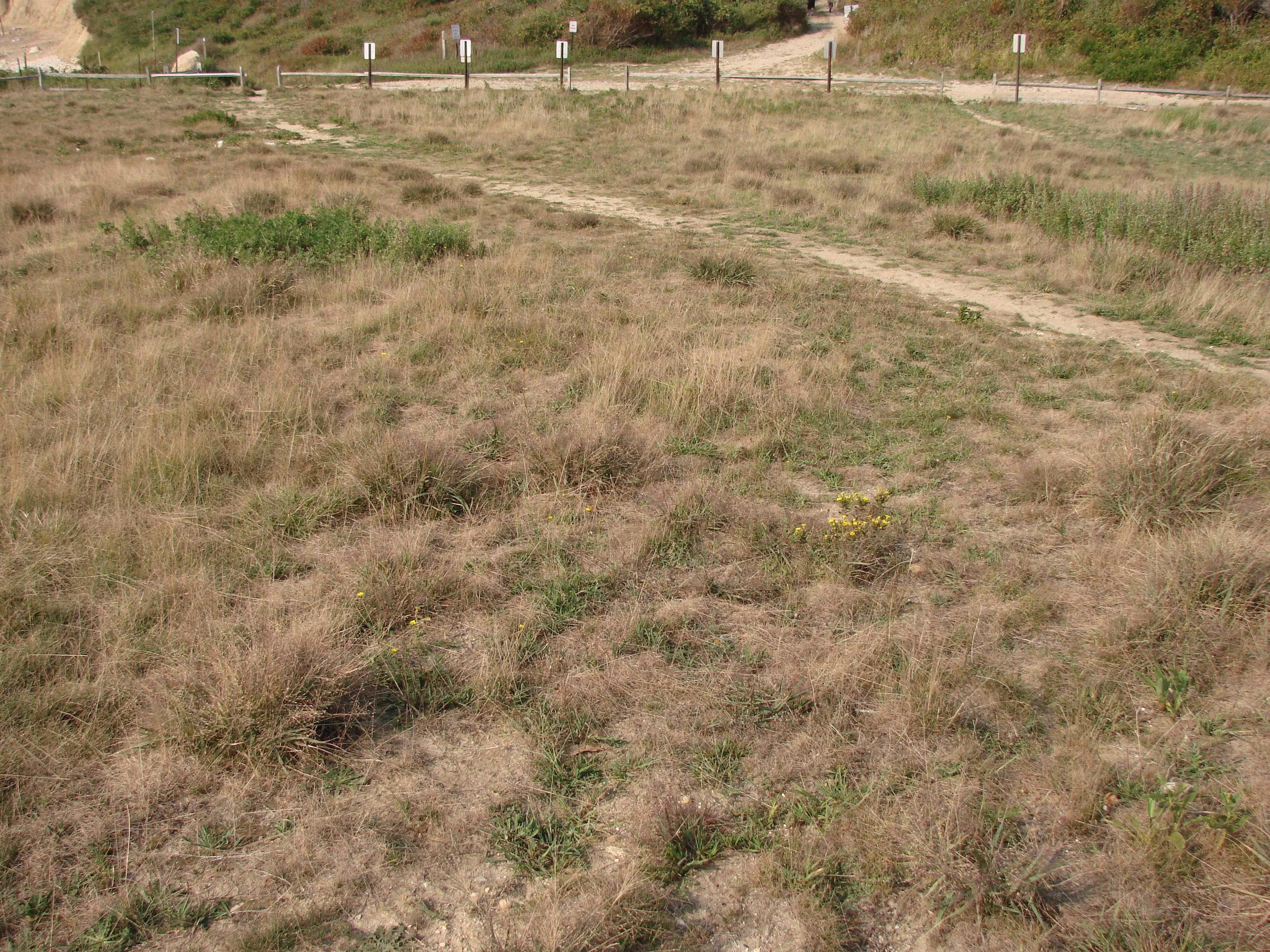
The Hempstead Plains is a remnant of a much larger grassland in Nassau County that is now hemmed in by development. It is a managed preserve and contains Agalinis acuta.

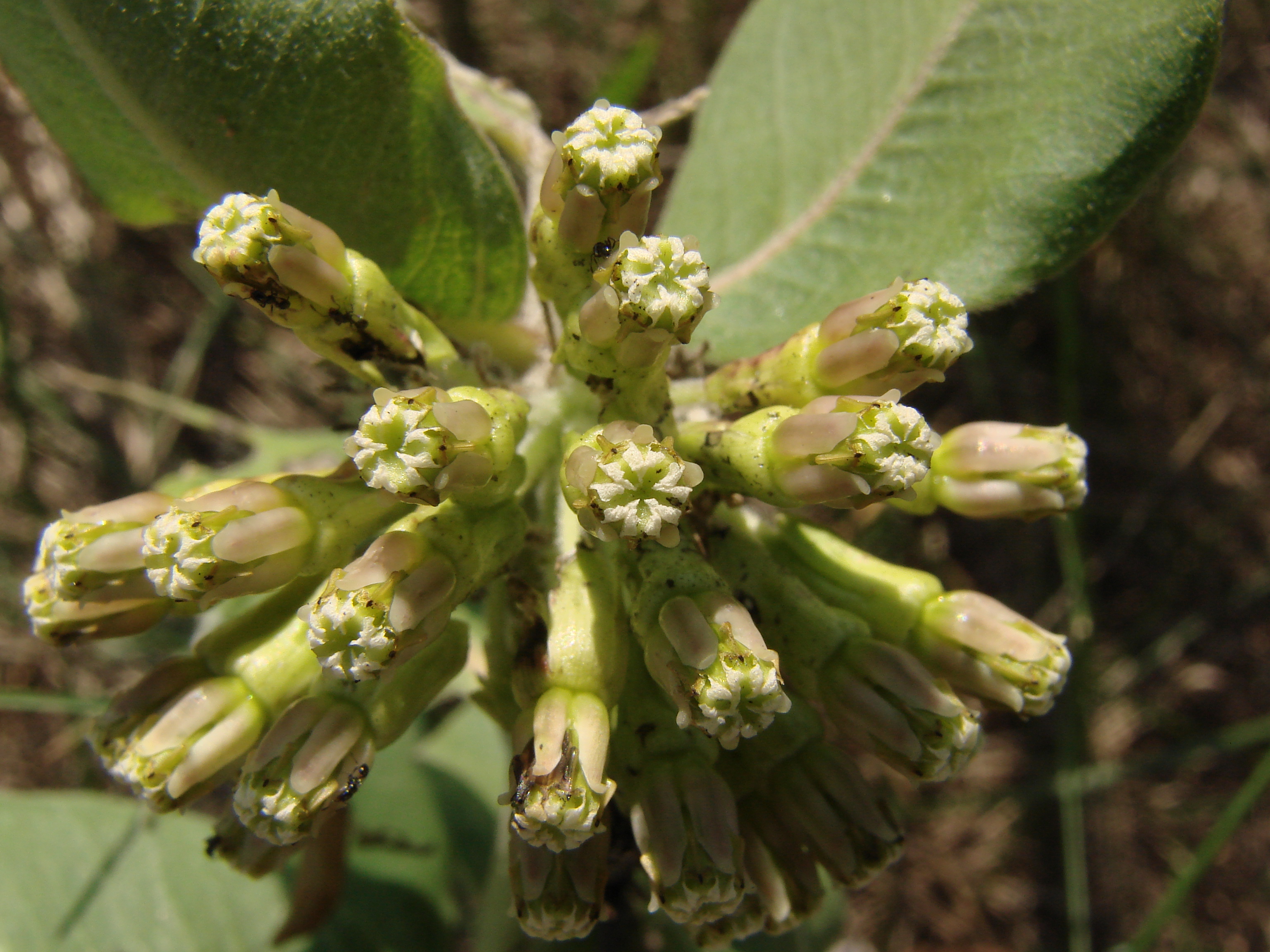
A small population of green milkweed, Asclepias viridis, still survives there despite nearby invasive species.

Here is a closeup of the distinctive flowers.

A federal grassland refuge in Sayville contains the largest population of Agalinis acuta in New York

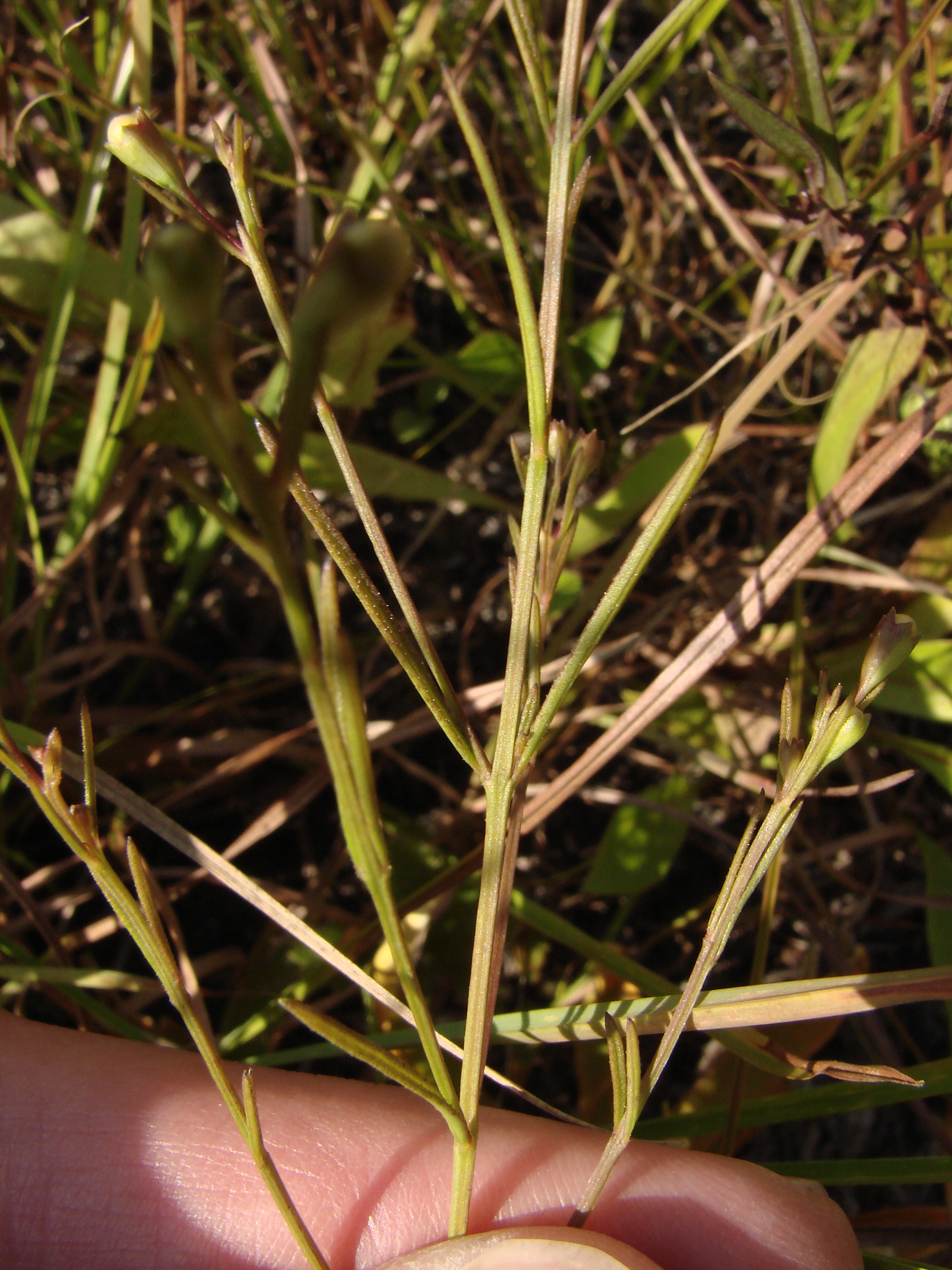
This plant of Agalinis in bud shows the narrow branches and leaves.

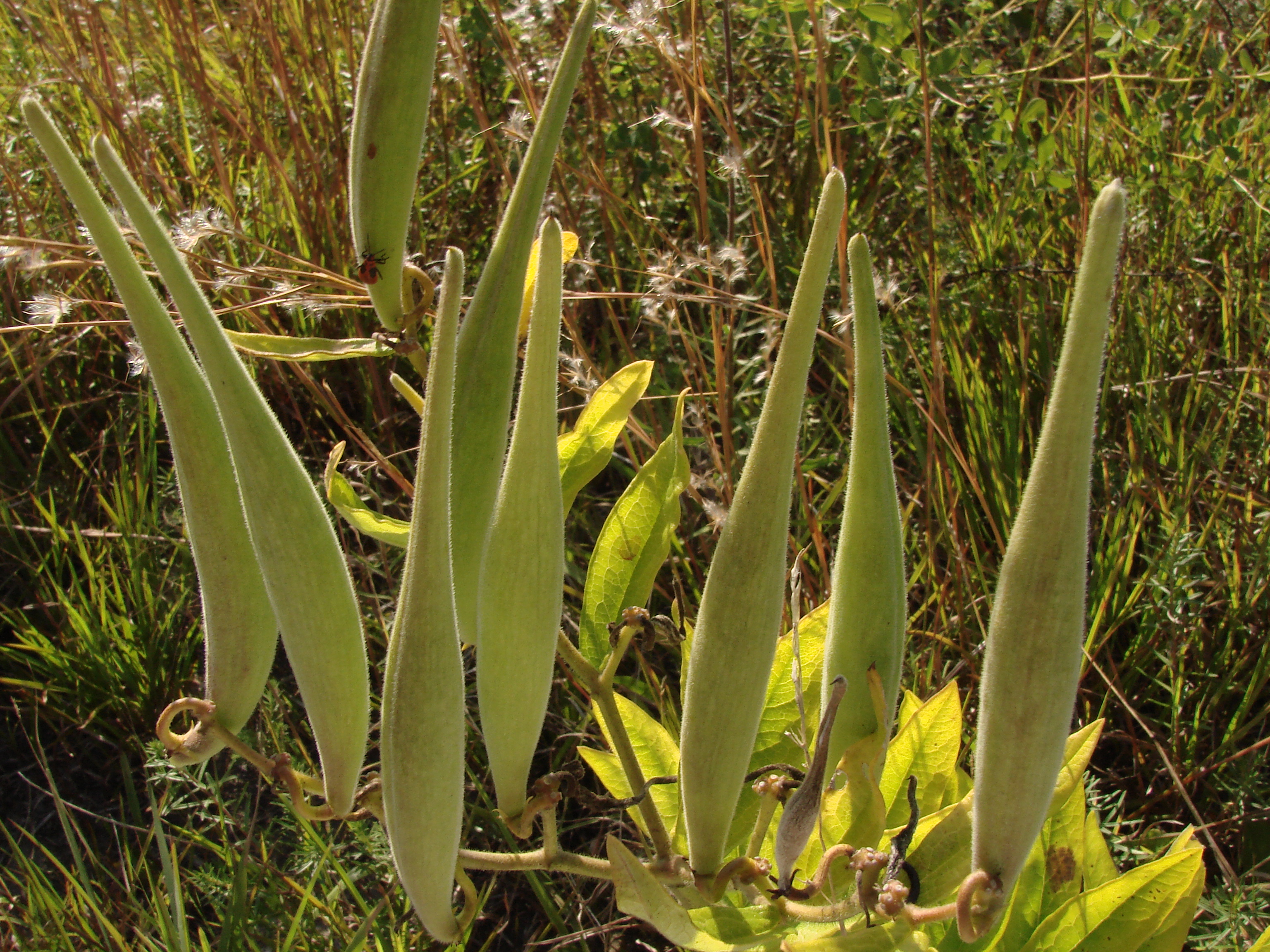
Also here are large populations of goat's-rue, Tephrosia virginiana, with its twisted pods.

It also contains one of the largest populations of stargrass, Aletris farinosa, a state-rare plant in the Lily family. Its tall stalks of white flowers turn to tan fruit in late summer.

Butterfly weed is another chacteristic plant of these grasslands. Its orange flowers and erect pods are hard to miss.

The old grass airstrip and surrounding shrubland openings of Montauk airport seemed like a good place to find Agalinis.

No Agalinis but there was another pink flower here, on the Natural Heritage watch list, cross-leaf milkwort.

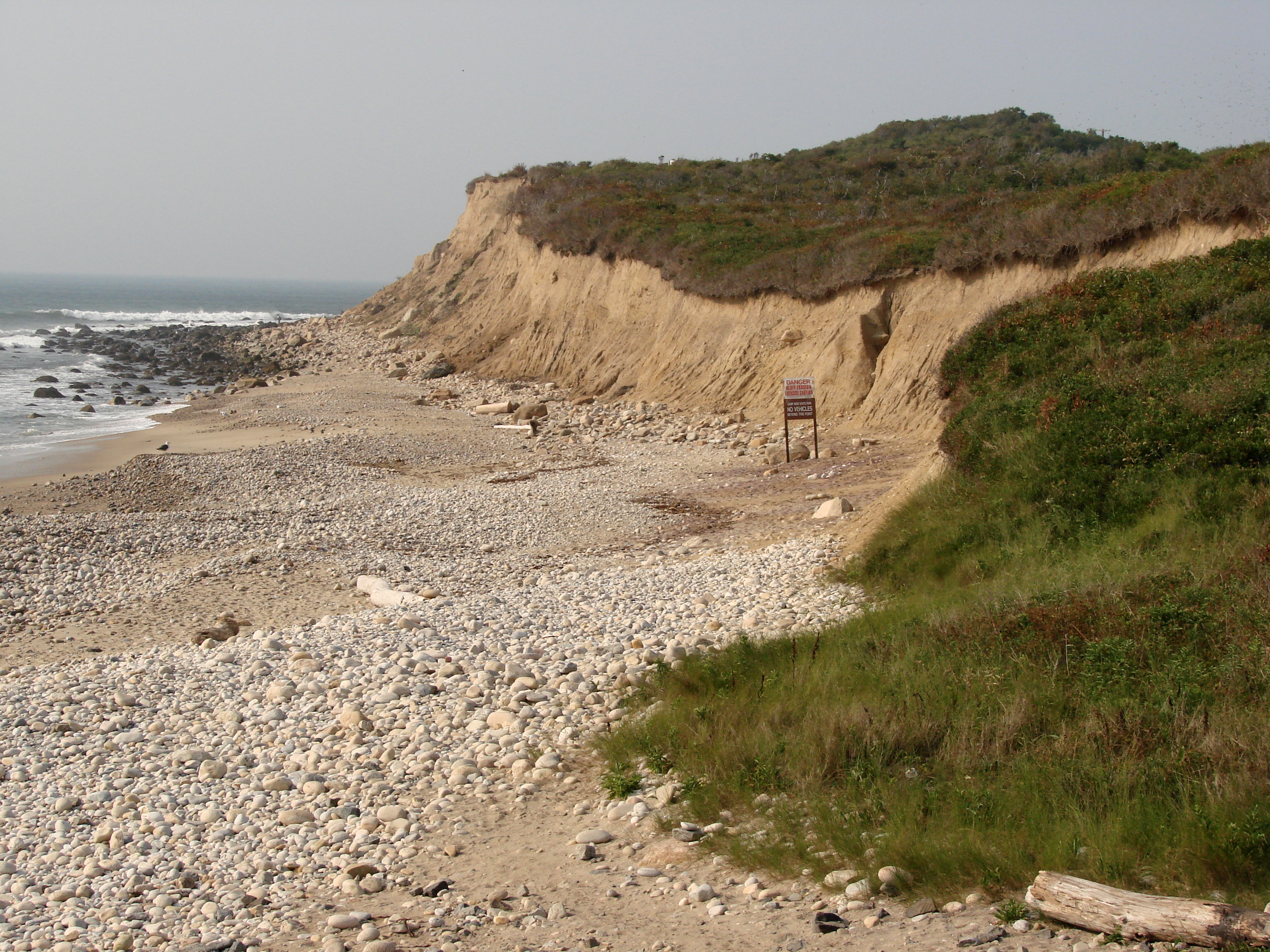
The tops of the eroded bluffs at Camp Hero at Montauk Point contain grassy openings that could harbor Agalinis (there are small populations on bluffs to the west) but they turned out to be too small or too weedy.

The bluffs are covered with maritime shrubland.

The light blue fruit of Bayberry, Myrica pensylvanica, are common here.

As are the bright yellow flowers of golden aster, Chrysopsis mariana.

They are so photogenic!

Below the lighthouse is a small grassland area but no Agalinis.

Turn around and you see one of the state's most recognizable landmarks.

When exploring shrublands and grasslands at this time of year we had to put up with the masses of tiny red larval ticks that can end up on pant legs looking for their first blood meal. Fortunately they don't contain disease but can leave an itchy bite. They are often confused with chiggers which probably don't live in New York.

On the way back to home base I stopped to check on a population of whorled-pennywort, Hydrocotyl verticillata, in Montauk. Its small white flowers are in multiple tiers above the round peltate leaves. Some years the water is so high here the plants are not visible but this year they were easily seen.

Black Walnut in Danger of Being Destroyed in Eastern Forests

Posted September 22, 2010 by nyflora
Categories: Invasive Species

Thousand Cankers Disease has been found in Tennessee recently and there are fears that it will spread to all black walnuts in the East and eliminate it from our forests.  Will we have any tree species left with all the organisms that are attacking them?  Learn more about TCD in Wikipedia by clicking HERE.