How Prepared is the U.S. to Meet Future Botanical Challenges?

Posted August 13, 2010 by nyflora
Categories: Funding and Jobs, Publications, Apps, and Websites

The Chicago Botanic Garden and Botanic Gardens Conservation International ‘s U.S. office have been working with partners across the country to assess current and future botanical capacity in the United States.  The aim of this grant-funded project is to understand the resources we currently have to conserve and manage native plant species and habitat, identify gaps in capacity and highlight opportunities to fill them in the future. You may download the final report HERE.  Below is an excerpt from the preface:

“Plants are central to the future of scientific discovery, human well-being, and the sustainable use and preservation of the nation’s resources. The botanical community in the United States plays a mission-critical role in researching, conserving, and sustainably managing our plant diversity and resources. Botanical expertise is required to address current and future grand challenges and issues, including climate change mitigation, land management and wildlife habitat restoration, understanding the provision of ecosystem services, management and control of invasive species, and the conservation and recovery of rare species. Despite the fundamental role botanical capacity
plays in tackling each of these issues, this report outlines where botanical capacity, particularly human capacity, is lacking across all sectors  government, academic, and private). In the United States over the past two decades, the botanical community has experienced significant changes in
the demands placed upon it and the resources available to it. Since the early 1990s a series of published and anecdotal reports have outlined declining botanical capacity in many facets of this sector. This includes declines in human resources like botanical training and expertise, financial and management-level support for research, education and application, and the loss of infrastructure
such as herbaria. The nation’s science and land management agenda is suffering as a result.”

In light of New York’s decreased state funding for botany, this report is very timely. We need more botanists and botanical funding to protect our flora in New York.
In Search of Long Island Rare Plants 3 – Southern Arrowwood

Posted August 12, 2010 by nyflora
Categories: Field Trips, Rare Plant Surveys, Taxonomy

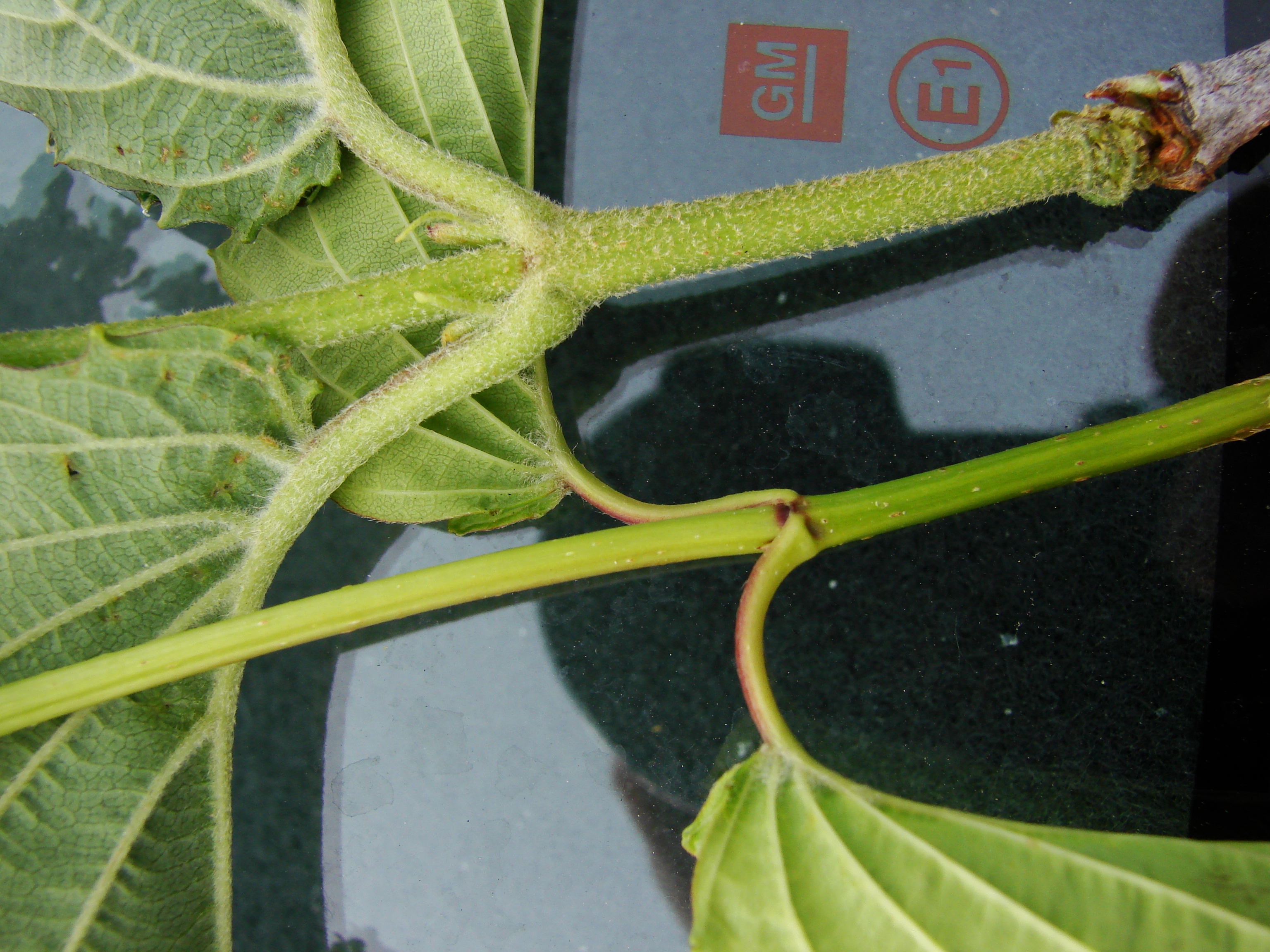
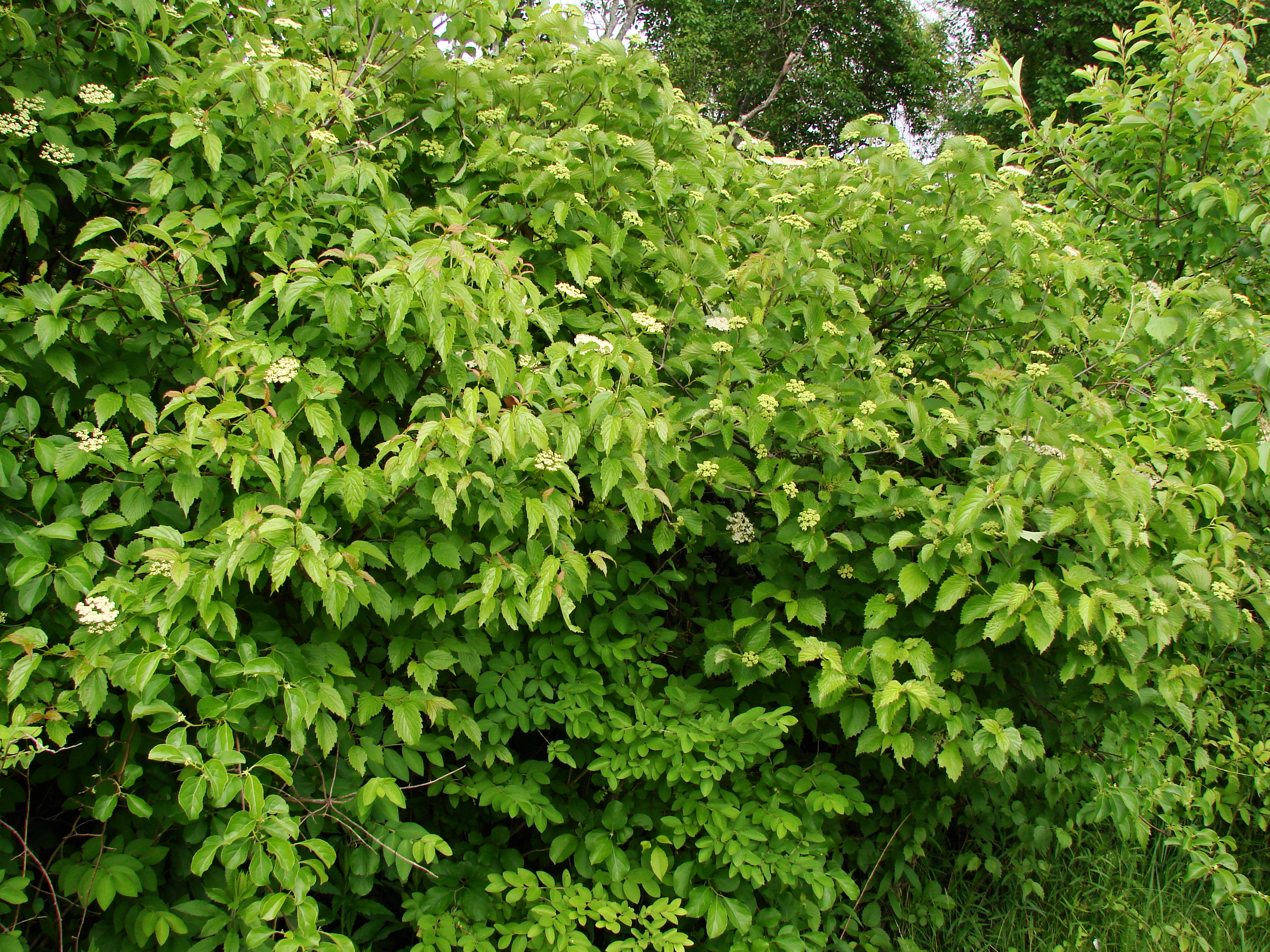
From Steve Young – NY Natural Heritage Program. In New York two varieties of Viburnum dentatum are found, var. lucidum, northern arrowwood, also called Viburnum recognitum in some books, and var. dentatum, southern arrowwood.  Viburnum dentatum var. dentatum is found south of New York. Viburnum dentatum var. lucidum is found throughout the state while Viburnum dentatum var. venosum is found only in Suffolk County in New York and mostly on the very eastern end of Long Island. It is presently considered a rare plant by the New York Natural Heritage Program and ranked as S2 – threatened. In June I surveyed the area around Montauk west to Southampton on the South Fork of Long Island to see how common this shrub really is.  On Eastern Long Island it occurs in maritime shrubland with the more common var. lucidum but it can be distinguished fairly easily by leaf and reproductive characters.  It flowers and fruits about two weeks later than var. lucidum and its leaf petioles and undersides are covered with stellate hairs that are absent on var. lucidum. The photos below show the difference.

Northern and southern arrowwood beside each other. Northern on the left in bloom and southern on the right in bud in early June.

Northern arrowwood is in bloom,

When southern arrowwood is in bud.

Southern arrowwood has stellate petioles and twigs.

Northern arrowwood has glabrous twigs and petioles or with small straight hairs in the petiole groove.

Can you tell which species is which here?

Variety venosum on the top and var. lucidum on the bottom.

The brown rough bark with white lenticels looks similar on both varieties.

Because these plants flower at different times, their leaf characters are different, and they occur together instead of separated geographically, I would tend to call them different species rather than varieties.  Variety venosum has been described as a species,  Viburnum venosum, in the past and I would tend to agree with that taxonomy from what I have seen on Long Island.  I surveyed many roadsides and shrublands on the South Fork in June and southern arrowwood was present in good numbers in most of them. I am now recommending that its rank be lowered from threatened to rare and it put on the Heritage Watch List.  Even though it is more common than we thought it should still be monitored because the non-native viburnum leaf beetle (Pyrrhalta viburni) has been completely defoliating this and a few other viburnum species in parts of New York.

Soft Fox Sedge (Carex conjuncta) Rediscovered in New York.

Posted August 7, 2010 by nyflora
Categories: Plant Sightings, Rare Plants

Botanist David Werier rediscovered this state endangered sedge in Chemung County this summer. It had not been seen in the state since a specimen was collected in 1966 in Rensselaer County and was listed as state historical by the New York Natural Heritage Program. This species is similar to Carex vulpinoidea and Carex alopecoidea and was collected fewer than 10 times before in New York –  in the counties of Chemung, Herkimer, Oneida, Saratoga and Westchester. It may be overlooked because of its similarity to the previously mentioned species and a good description and photos of it with a comparison to those species can be found at the website for Illinois wildflowers. Click here to see the description. Congratulations David! – Steve Young

New Population of the State Threatened Sea-Pink Found on Long Island

Posted August 5, 2010 by nyflora
Categories: Plant Sightings, Rare Plants

Luke Ormond found New York’s 9th population of the rare sea pink (Sabatia stellaris) in a salt marsh near Riverhead this week. This beautiful wildflower is only found on the east end of Long Island in New York and makes a good subject for photography. You can see his pictures of the plant on his beautiful blog of Wild Long Island by clicking HERE.  Nice find Luke! – Steve Young

Is Heal-all (Prunella vulgaris) Native or Exotic? It’s both!

Posted August 3, 2010 by nyflora
Categories: Plant Distribution, Plant Identification

I always thought that Prunella was exotic but it is listed as native in Newcomb’s Wildflower Guide. As it turns out there are two varieties and one is native (var. lanceolata) and one is not (var. vulgaris).  In the NYFA Atlas David Werier sets forth the history of this distinction:

Numerous early botanists recognized Prunella vulgaris as consisting of at least two taxa. One is considered to be native to North America (P. vulgaris var. lanceolata) and the other as native to Eurasia (P. v. var. vulgaris). Fernald (1913b) gives an overview of how these taxa have been treated in North America, provides a key to the varieties, and publishes the new combination P. v. var. lanceolata (W.P.C. Barton) Fernald. Fernald (1950) and Gleason and Cronquist (1991) follow this taxonomy while Mitchell (1986) and Mitchell and Tucker (1997) treat Prunella vulgaris as a non-native taxon without infraspecific taxa. A limited study from California (Nelson 1964) supports the distinction between the two taxa and also demonstrates support for a limited amount of introgression or hybridization at one California population. We follow Fernald in recognition of two taxa but a modern large scale study is still warranted. The North American native taxon (P. vulgaris var. lanceolata) has median cauline leaf blades ovate to ovate-oblong, 1.5-2.5 (avg. 2) times as long as wide, and rounded at the base. The Eurasian P. vulgaris var. vulgaris has median cauline leaf blades lanceolate to oblong, 2-5 (avg. 3) times as long as wide, and cuneate at the base (Fernald 1913b).

It would be nice to know if the distribution differs in range or ecology in New York so you might want to try to distinguish them in the field. Be sure to use the leaves in the middle of the stem for the measurements.  See the Atlas entry for the species HERE.

New Lists Posted on NYFA Google Map of Plant Lists

Posted August 3, 2010 by nyflora
Categories: Publications, Apps, and Websites

Maps recently posted include:

Sortable Rare Plant List 2010

Ferns in the Vicinity of Poughkeepsie 1890

Vassar College Herbarium List 1890

Mud Pond Dryden List 1926

Access the map on the links sidebar.

USA Topographic Map from ESRI on the Web

Posted July 31, 2010 by nyflora
Categories: Field Techniques, Publications, Apps, and Websites

If you would like another option for looking at topo maps of New York or other places in the US you can use this new map from ESRI on Arcgis.com.  If you click on Basemaps on the top of the map you can look at different maps including aerials and USGS maps.  Its very helpful when planning botany trips.  Go to the map HERE.

Sample Map

Time to Refresh Your Memory on Aster and Goldenrod Scientific Names

Posted July 31, 2010 by nyflora
Categories: Taxonomy

Many scientific name changes have been made in the Aster Family lately and there are a number of places you can go to refresh your memory on the changes to asters and goldenrods. Here are some websites where you can read up on them:

A list of name changes in Newcomb’s Wildflower Guide can be found on the sidebar of this blog.

This is a website of Asters and Goldenrods of New England:

http://www.nttlphoto.com/botany/asters-goldenrods/a&g_main.htm

Here is a list of aster synonyms from Humboldt University:

http://www.humboldt.edu/herbarium/Aster Synonyms.doc

This is a website describing John Semple’s taxonomy of the asters and goldenrods:

http://www.jcsemple.uwaterloo.ca/asters.htm

This is the aster family treatment in the flora of North America:

http://www.efloras.org/florataxon.aspx?flora_id=1&taxon_id=10074

Time to go in the field and test your memory!

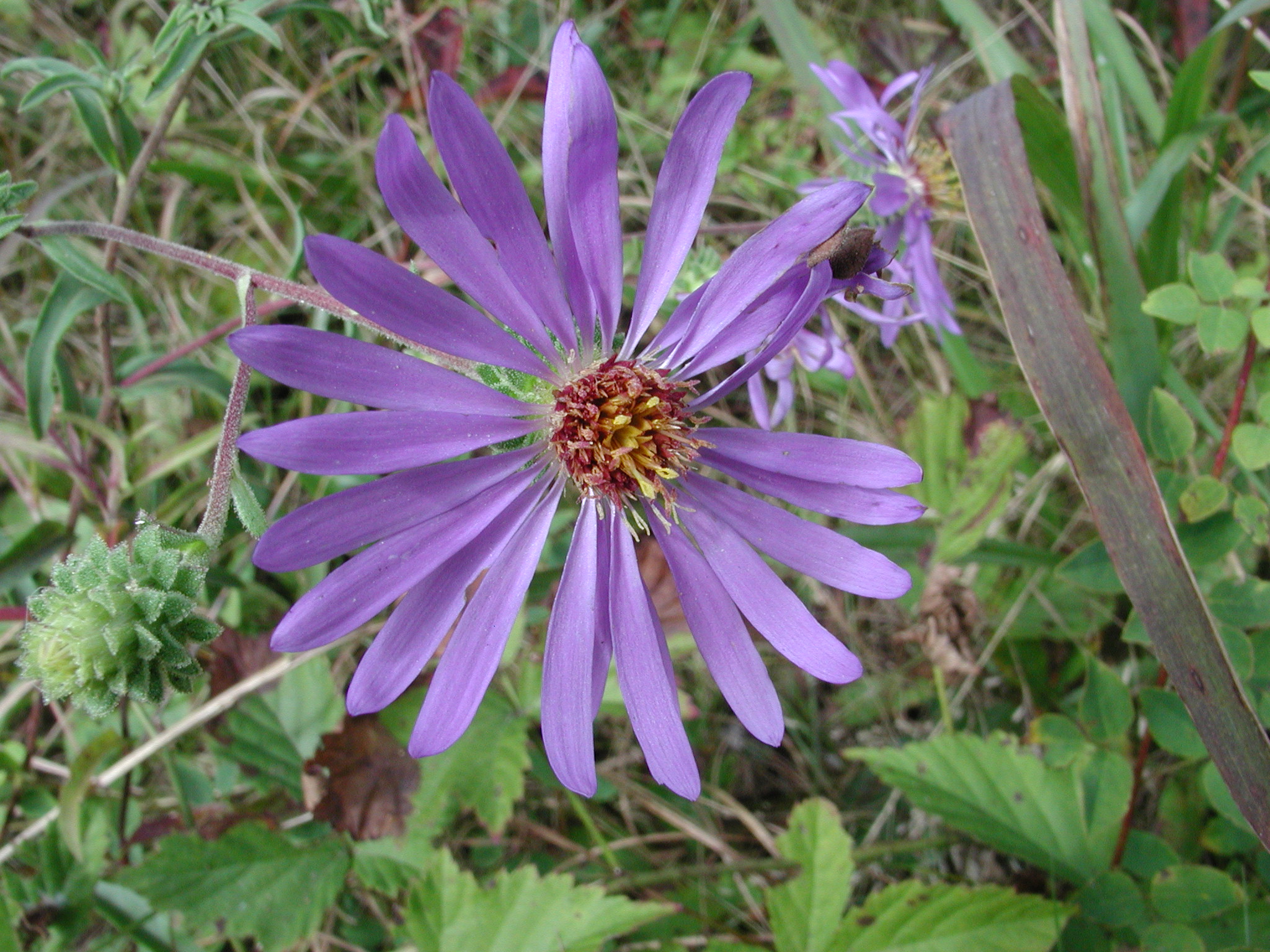
Showy aster, Eurybia spectabilis, on Long Island. Photo Steve Young

NYFA Annual Meeting and Field Trips a Success

Posted July 27, 2010 by nyflora
Categories: Field Trips

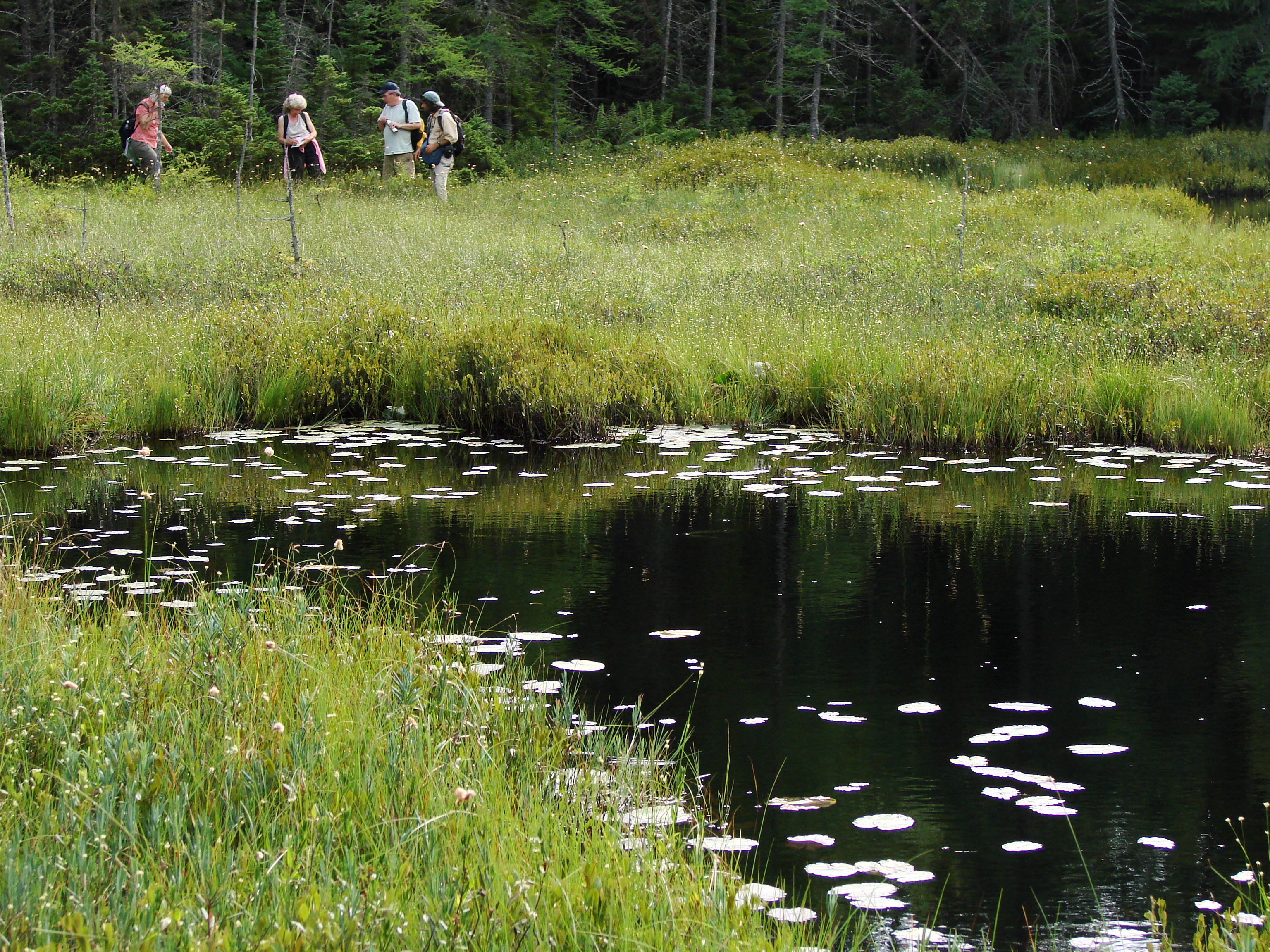
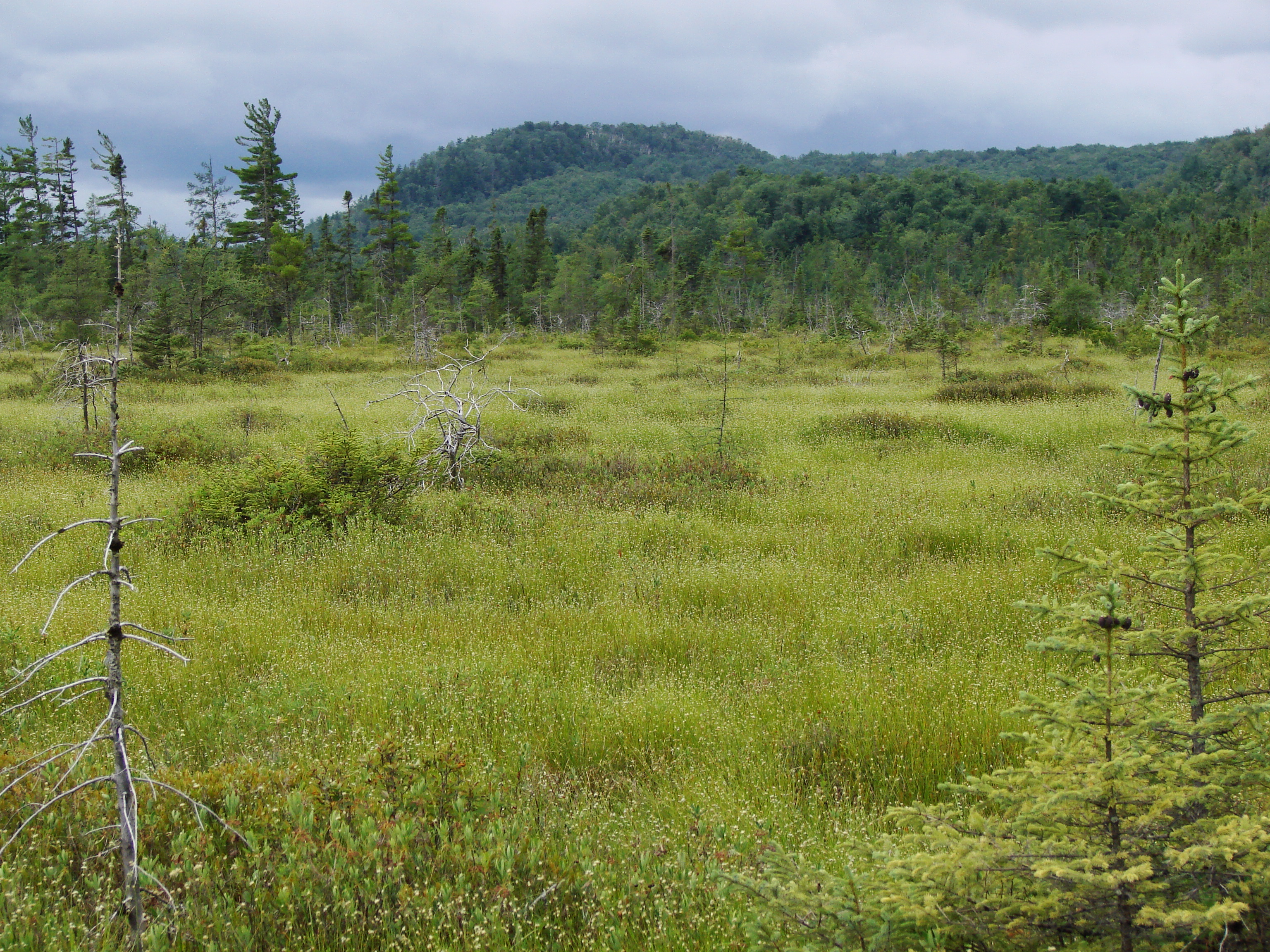
Over twenty NYFA members enjoyed our field trips and annual meeting in the Cranberry Lake area over the weekend.  We saw many interesting plants in the beautiful poor fens of the area and after a hearty lunch provided by Ed Frantz at his camp, we elected this year’s board members including the two new members Kim Smith and Anna Stalter.  Saturday afternoon we saw old growth white pines and another interesting bog near Wanakena.  We ended our outing Sunday morning in a large, beautiful, poor fen at Hitchins Pond.  Thanks go to Anne Johnson and Bernie Carr for organizing the trips and to Ed Frantz for his hospitality at the camp.  More details will be coming in the October newsletter. See more photos at the Picasa web album.

Lost Pond Bog near Wanakena.

Hitchins Pond Bog.

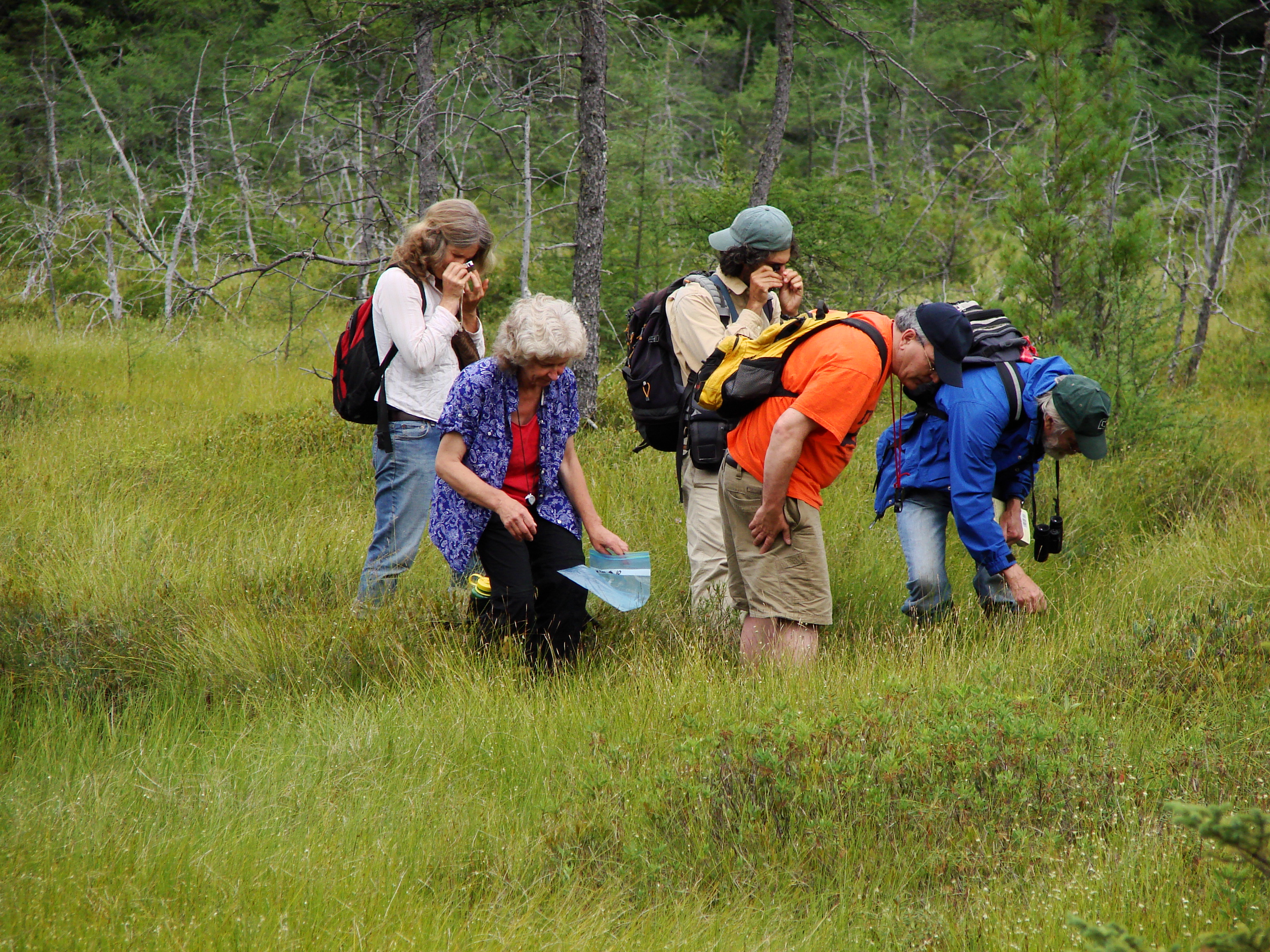
Pondering over bog plants at Hitchins Pond.

Happy members by an old growth white pine, Wanakena. From left to right: Joe McMullen, Anne Johnson, Connie Tedesco, Peter O'Shay, Aissa Feldmann, Steve Daniel, Chris Martine, Laura Lehtonen, David Werier, Alan Strong, Alex Young, Bernie Carr, Carol Gates. Photo by Steve Young.

Giant Pine-Drops (Pterospora andromedea) Reappear This Year Along Lake Champlain.

Posted July 27, 2010 by nyflora
Categories: Rare Plants

The giant pine drops that were rediscovered last year north of Plattsburgh reappeared this year in the exact same spot. It’s still a mystery why this plant has become so rare in New York after being seen many times across the state in the late 1800s and early 1900s. Currently PhD. student Nick Dowie from the University of Wyoming is researching its relationship with Rhizopgon fungi and rarity. Below are photographs taken of this year’s plan by Lawrence Gillett, the person who originally discovered the population.