Genera Quest Napeague Trip Avoids the Rain

Posted September 17, 2009 by nyflora
Categories: Field Trips, NY Flora Association

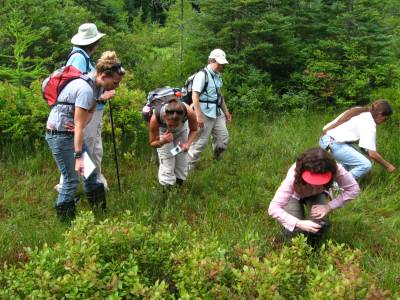
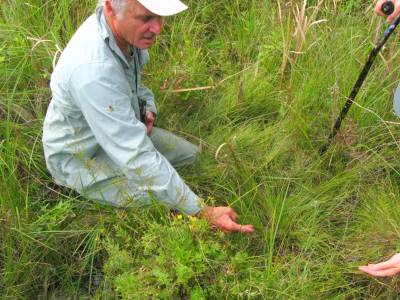
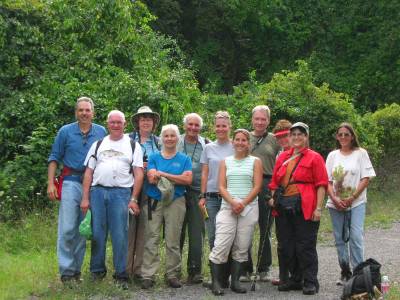
The tropical storm last Friday threatened to cancel the field trip to Napeague last Saturday but the rain ended by Saturday morning and allowed a group of hardy plant enthusiasts to look at plants in the dunes, swales and salt marsh. The search for Schizaea pusilla ended without success and it marks the third year in a row that the plants have not been found. We hope they return soon! A final summary of the trip will be available in the next newsletter.  Below are some beautiful photographs taken on the trip by botanist Kim Smith from the New York Natural Heritage Program.

Field trip participants in Napeague Meadows

Field trip participants in Napeague Meadows

northern blazing-star, Liatris scariosa ssp. novae-angliae, state threatened

northern blazing-star, Liatris scariosa ssp. novae-angliae, state threatened

Sea-pink, Sabatia stellaris, state-threatened

Sea-pink, Sabatia stellaris, state-threatened

Woodbine – The Other Virginia Creeper

Posted September 14, 2009 by nyflora
Categories: Plant Identification

From Steve Young: Until the last few years, whenever I saw Virginia creeper-looking leaves I always called it Parthenocissus quinquefolia. Looking through the grape family keys one day I realized that there are actually two common species of Parthenocissus, P. quinquefolia and P. vitacea, also known as woodbine. Woodbine has an inflorescence branching pattern that repeatedly divides equally and the leaves seem larger and more shiny. They also do not have pads on the ends of the tendrils and usually twine up through shrubs. How common is woodbine compared to Virginia creeper and how consistent are these characters? Karin Verschoor from the Division of Lands and Forests in DEC has been studying the differences between the two plants and will write about them in a future issue of the NYFA newsletter.  Below are photos of the inflorescence and leaves of woodbine seen climbing through shrubs along the Mohawk bike trail in Niskayuna, NY. See if you can find both species.

See more info at: http://getyourbotanyon.blogspot.com/2009/09/virginia-creeper-woodbine.html

Woodbine inflorescence with divergent branching

Woodbine inflorescence with divergent branching

Large and shiny woodbine leaf

Large and shiny woodbine leaf

Shelf Fungus With Leaf Imprints

Posted September 13, 2009 by nyflora
Categories: Fungi

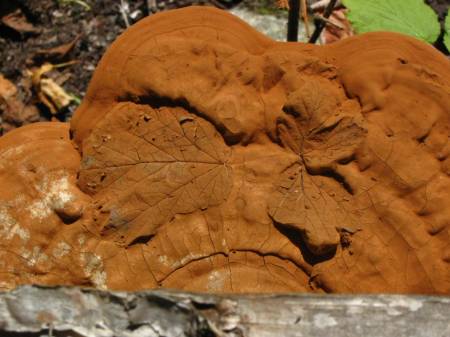
From Steve Young: While climbing up Dial Mountain in the Adirondacks recently my son Alex found these imprints of leaves on the top of a shelf fungus. It looks like they may have landed on the fungus as it was finishing its growth and the imprints were made. This is the first time we have ever seen anything like this.fungi with leaf imprints

Is Newcomb’s Right About Burdock Petioles?

Posted September 10, 2009 by nyflora
Categories: Plant Identification

From Steve Young: Newcomb’s wildflower guide says that Arctium minus, common burdock, has hollow leaf stalks and A. lappa, great burdock has solid leaf stalks.  It would be nice if this was consistent so these species could be identified before they flower since the leaves look alike. I have been cutting off leaf stalks near the base and YES, it seems that they can be distinguished that way. You can’t miss those huge leaves along trails and other disturbed areas.

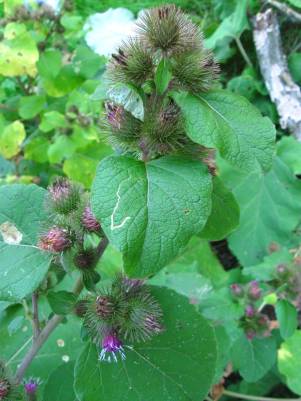
Common burdock has flower heads up to 1 inch wide on short stalks.

Arctium minus heads

The petioles can have a small hollow center or it can be larger.

Arctium minus petiole

Great burdock has heads larger than 1 inch on long stalks.

Arctium lappa heads

The petioles are solid.

Arctium lappa petiole

However, I have not seen any difference in the deepness of the groove on the petiole.  Both species have deep grooves.  So, check for yourself and see if you find these characters to be consistent.  I would be interested to know what you find.

Searching for Downy Wood-mint

Posted September 8, 2009 by nyflora
Categories: Rare Plant Surveys

From Steve Young: I searched a powerline in southern Albany County today looking for plants of Blephilia ciliata, downy wood-mint, that were last seen there in 1998.  This is only one of three locations in the state for this rare plant. The area was on dry limestone outcrops, good habitat for Blephilia. The photo below from the Missouri State Univ. herbarium shows what it looks like:
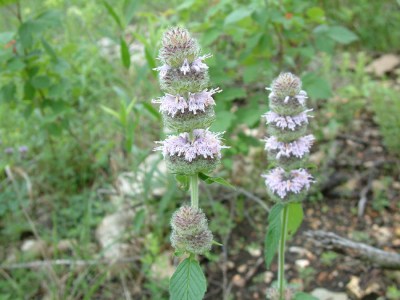
Blephilia ciliata in flower

Blephilia ciliata in flower

After searching for about 30 minutes I didn’t see any plants but I did see some mint family plants and some other interesting plants. Fortunately I didn’t see any ticks!

From the mint family there was wild basil (Clinopodium vulgare) and majoram (Origanum vulgare).

wild basil flower cluster

wild basil flower cluster

marjoram flower cluster, note purple bracts

marjoram flower cluster, note purple bracts

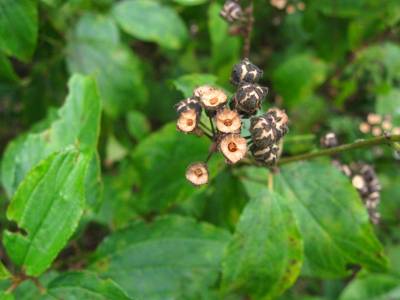
New Jersey tea (Ceanothus americanus) was mostly in fruit but a few flowering stalks remain.
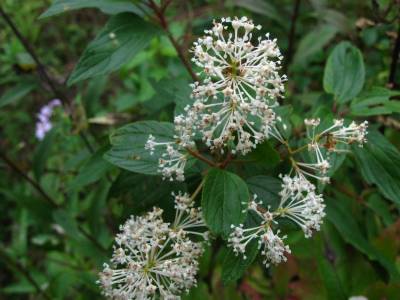
New Jersey Tea Flowers
New Jersey Tea Flowers

New Jersey Tea Fruits

New Jersey Tea Fruits

Macoun’s cudweed (Pseudognaphalium macounii) was in flower, a plant that I rarely see in this area.  In fact it is not recorded from the NYFA Atlas for Albany County. Its leaf bases are wide and extend down the stem a little ways.

Cudweed flowers

Cudweed flowers

cudweed leaf bases

cudweed leaf bases

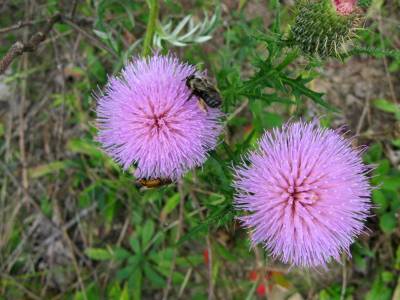
Two interesting members of the aster family were still in flower, the smooth blue aster (Symphyotrichum laevis) with its shiny, smooth, leather-like leaves and field-thistle (Cirsium discolor) with some serious pollination going on.

smooth blue aster flowers

smooth blue aster flowers

smooth blue aster leaf
smooth blue aster leaf

field-thistle flowers and pollinators

field-thistle flowers and pollinators

I won’t give up on the downy wood-mint since it may not be there every year. I’ll check again next year a few weeks earlier. We wouldn’t want to lose one of our best populations in the state!

Labor Day Holiday Plant Quiz

Posted September 6, 2009 by nyflora
Categories: Quiz

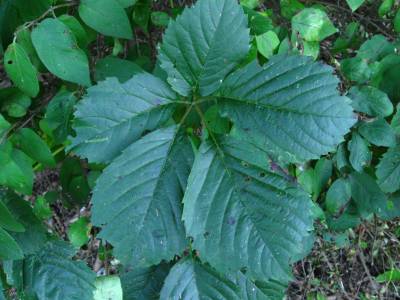
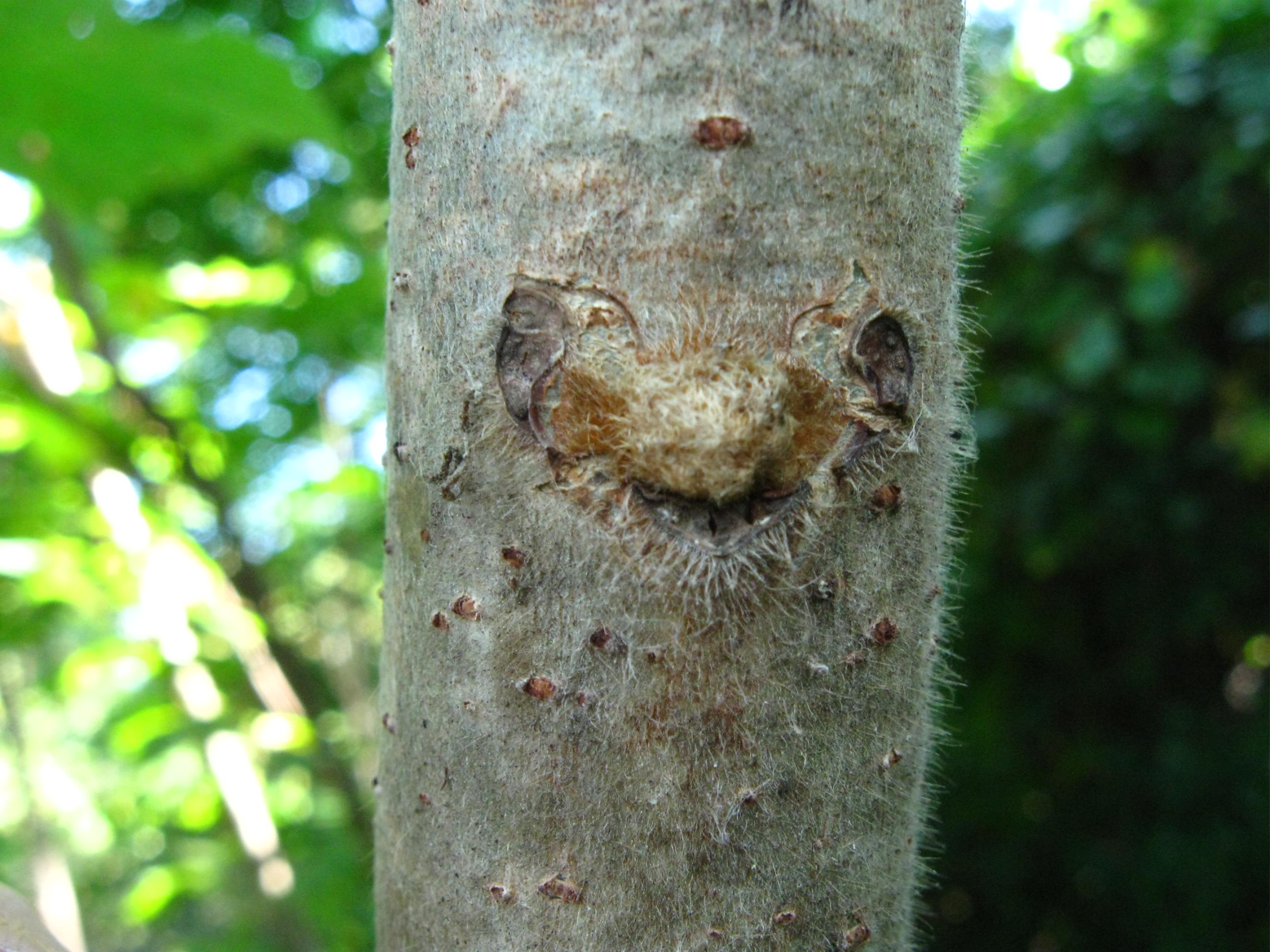
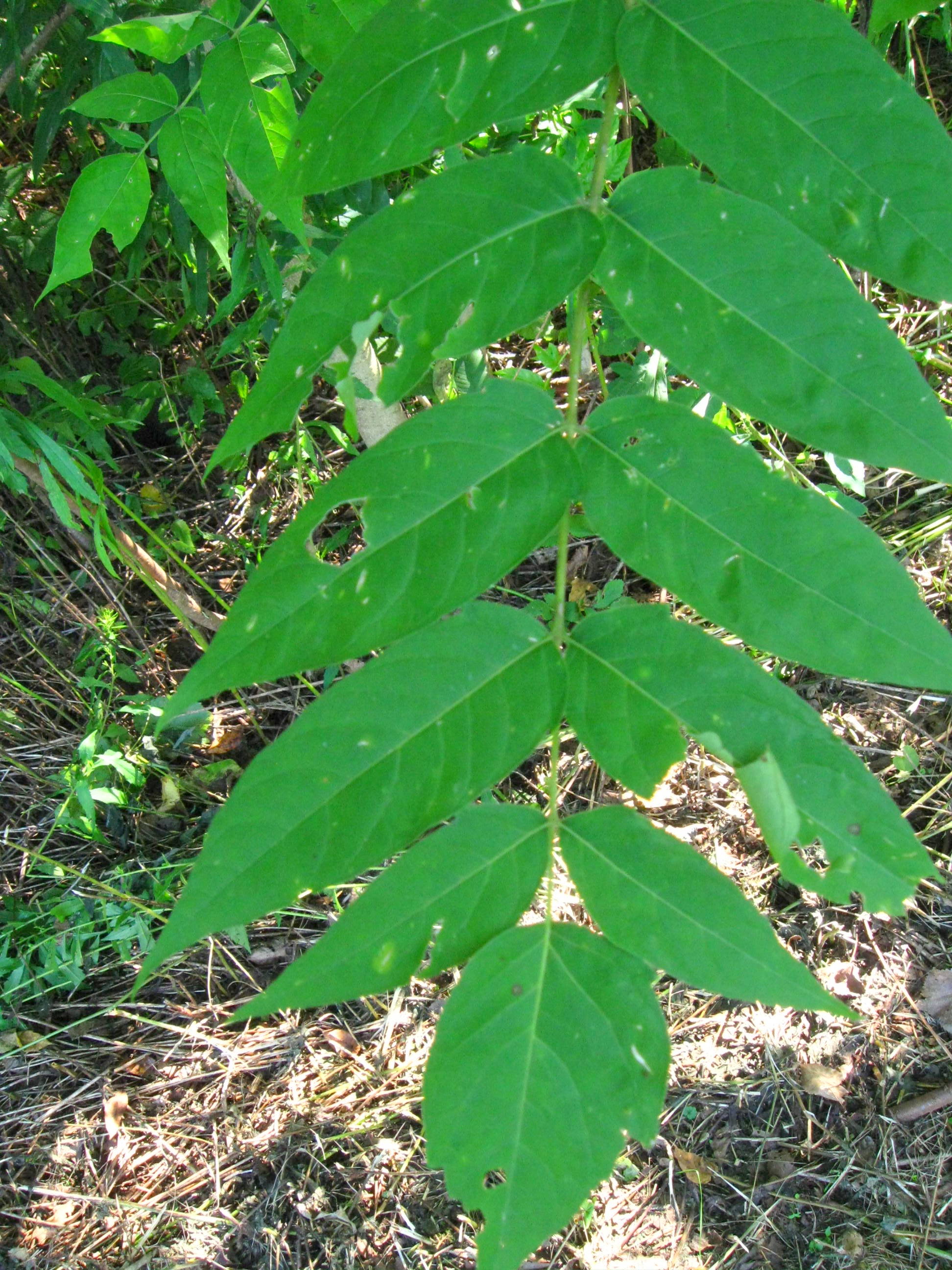
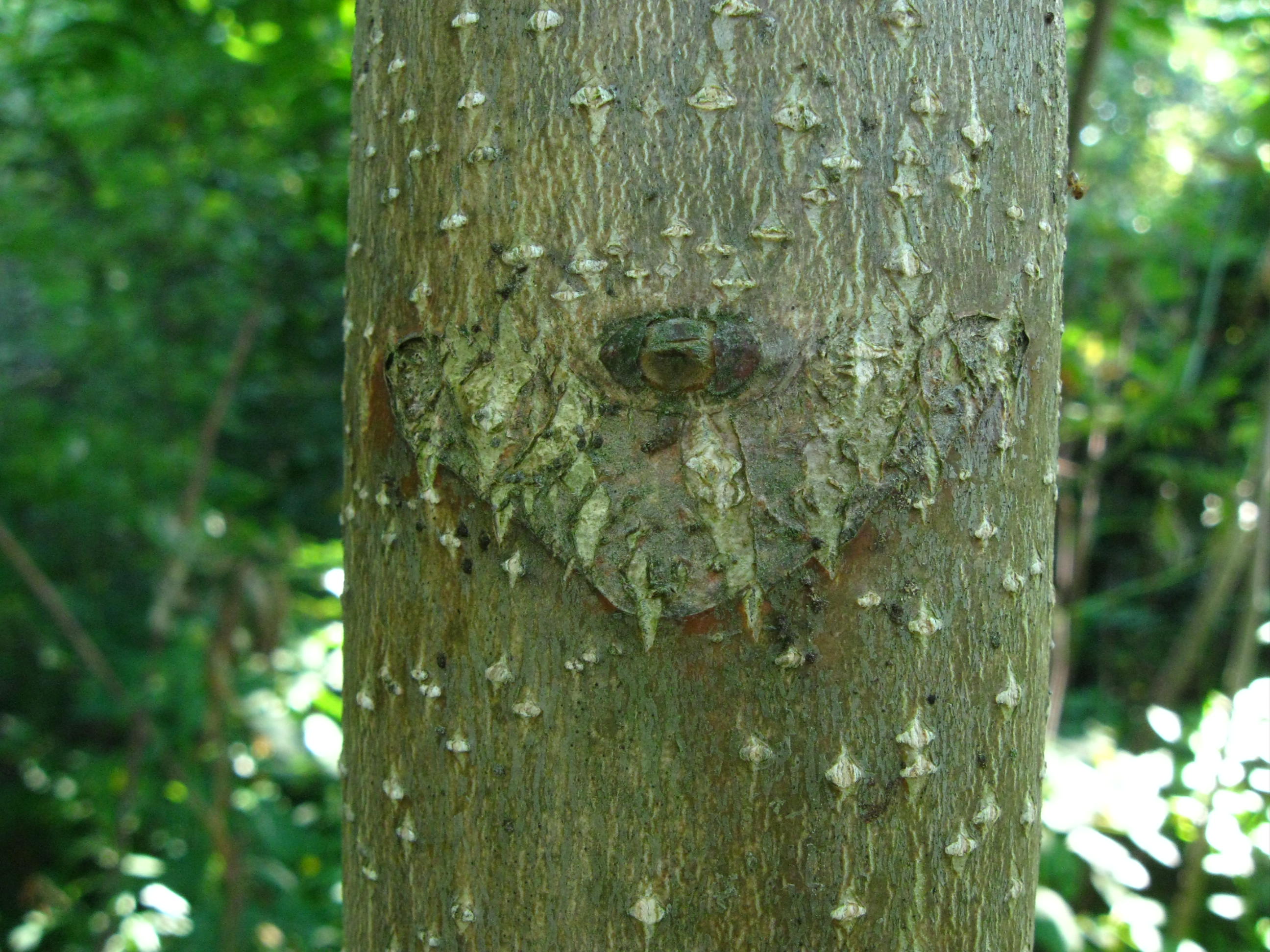
These two woody plants with long compound leaves were seen along the Mohawk bike trail in Schenectady County.  Can you guess what they are? Click on photos for a larger image.

The first plant is on the first row:

The second plant is on the second row:

Good luck!

A Variety of White Pale Impatiens

Posted September 5, 2009 by nyflora
Categories: Plant Sightings

From Steve Young: I was down along the Mohawk Bike Trail in Niskayuna, Sche. Co. this afternoon and saw a many white flowers of the pale impatiens, then I saw them with extra lobes on the petals. I had never noticed them before. Photos below.

The New nyflora.org Website Is Up and Running!

Posted September 5, 2009 by nyflora
Categories: NY Flora Association

The NY Flora Association’s new website has now replaced the old site.  More improvements will be coming soon including lists and a library.  Go to www.nyflora.org and post any comments you have about the site under this blog entry.

We now offer NYFA gear that you can purchase including hats, mugs and T-shirts!

A Disease of Dirca palustris, Leatherwood

Posted September 4, 2009 by nyflora
Categories: Plant Pathology

Dirca leaves
Dirca leaves

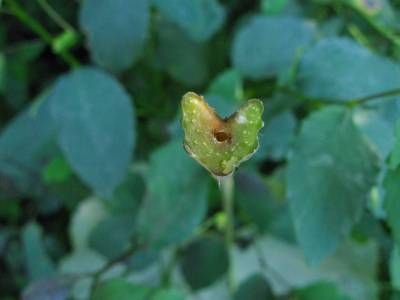
From Steve Young: My son Alex took this photo of leatherwood in Saratoga County today while on a trip with Jackie Donnelly.  She has noticed this disease affecting Dirca for some years and it makes the plant stand out in the woods this time of year.  Anyone have any suggestions as to what it is?

Update Sept. 09: Leucanthiza dircella (Lepidoptera: Gracillariidae): A leafminer of leatherwood, Dirca palustris. It seems that this leaf miner and a rust make the leaves of Dirca turn yellow in August.

Mendon Ponds/Auburn Trail Trip Sets New Genera Quest Record

Posted August 30, 2009 by nyflora
Categories: Happenings, NY Flora Association, Plant Sightings

The NYFA trip to Mendon Ponds and the Auburn Trail in Railroad Mills on August 22 set a new one-day record for genera seen at 258! The old record was 243 at Alley Pond Park in Queens in 2008. The Mendon area is very diverse with eskers, ponds, marshes, a kettlehole sphagnum bog and a fen. We saw 229 genera in the park so it actually was less than what we saw in Alley Pond but the walk along the Auburn Trail added 29 more genera for the grand total for the day.  The full list of species will be published in the next NYFA newsletter and added to our website. Thanks go to the eager participants whose sharp eyes spotted all the beautiful plants we saw that day and our leader Steve Daniel who knows the plants in both areas very well.  Some photos from the day are below.

Identifying plants in the bog

Identifying plants in the bog

Steve Daniel showing Triglochin palustre

Steve Daniel showing Triglochin palustre

Flowers of the rare swamp lousewort, Pedicularis lanceolata

Flowers of the rare swamp lousewort, Pedicularis lanceolata

Happy plant hunters: Steve Young, Ken Hull, Carol Southby, Georgianna Vyverberg, Steven   Daniel, Megan Caves, Sarah Shute, Ed Fuchs, Christine Sevilla, Amy   Kahn, Karen Schreiner.   Not present for photo (Kim Hartquist).

Happy plant hunters: Steve Young, Ken Hull, Carol Southby, Georgianna Vyverberg, Steven Daniel, Megan Caves, Sarah Shute, Ed Fuchs, Christine Sevilla, Amy Kahn, Karen Schreiner. Not present for photo (Kim Hartquist).