Archive for the ‘Publications, Apps, and Websites’ category

Orchid Information is Endless

April 5, 2011

Orchids are one of the most popular plant groups in the world and New York  is  no exception.  There are many websites, blogs and Facebook pages on the subject. For New York you can start with an article by Chuck Sheviak and myself on the orchids that appeared last June in the Conservationist.

On Facebook there is the Native Orchid Conservation Page which has a lot of information and links.

Below are some other interesting websites:

Central NY Orchid Society’s Native Orchids of New York

Northeastern New York Orchid Society, Albany, NY

The Florida Native Orchid Blog

Native Orchid Conservation Inc.

The Orchid Conservation Coalition

That’s enough for now.  Explore the web for many more. Fun fact: New York has more orchid species than Hawaii. – Steve Young
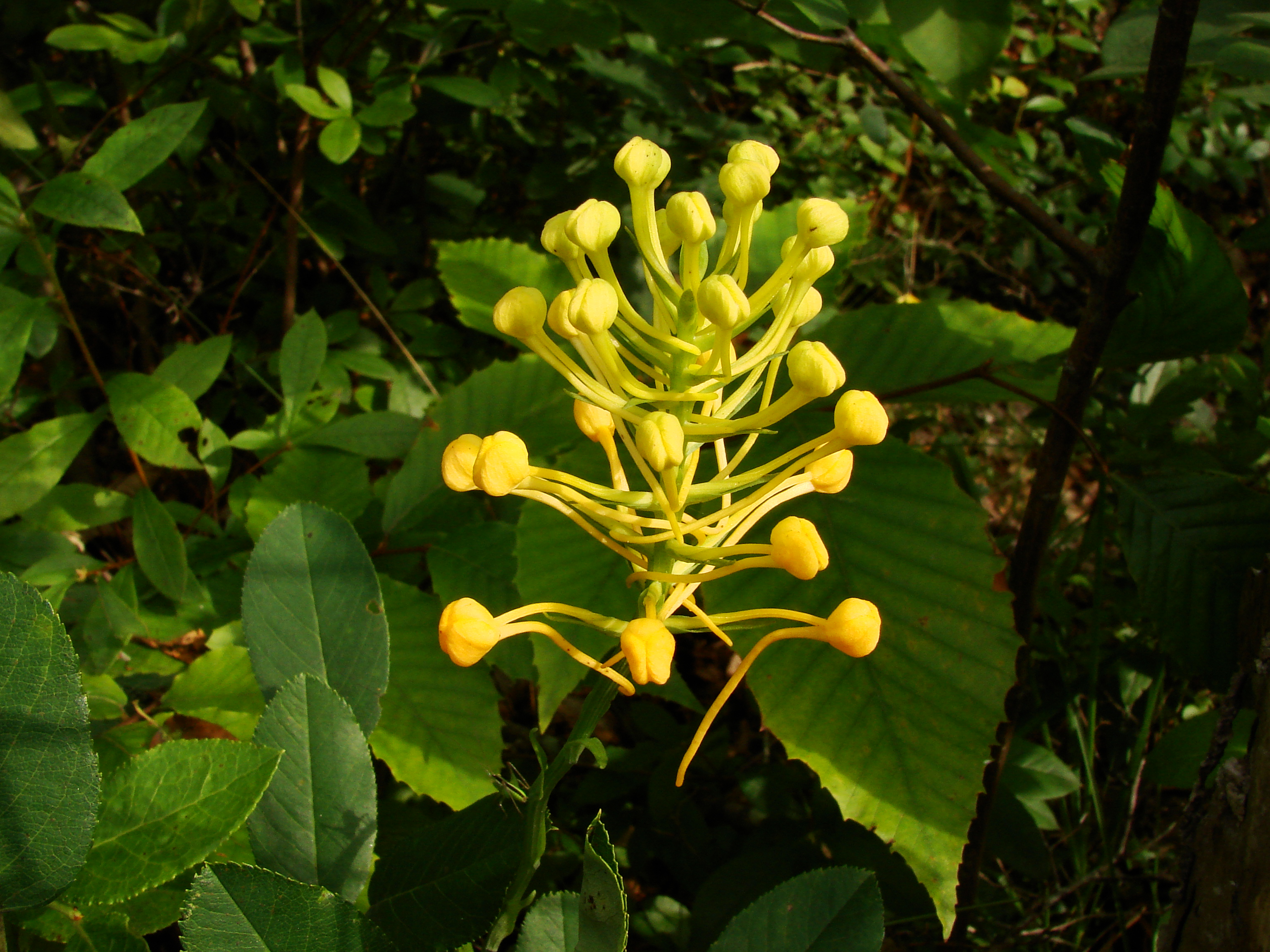
Orange Fringed Orchid about to bloom on Long Island. Photo Steve Young.

The Vasculum Blog

March 31, 2011

I ran across this botany-based blog recently looking for information on invasive species.  It contains interesting information about many aspects of botany with some nice photos and descriptions of plants that also occur in New York.  To see it CLICK HERE.

Help Record Plant Phenology in New York With Project Bud Break

March 15, 2011

Now that plants are starting to flower (I have gotten reports of skunk cabbage and pussy willow) you can help record this natural phenomenon by using the New York-based website Project Bud Break. According to the website it is associated with a national effort, a network of citizen scientists that is being established in New York to observe the timing of flowering, leaf development, fruiting, and leaf drop in populations of common native trees and herbaceous species. This site will help observers to enter their data on the timing of important plant events through the growing season. Through time they can see the effects of climate change by observing the fluctuations in phenology of our native plants. To register for the site CLICK HERE.

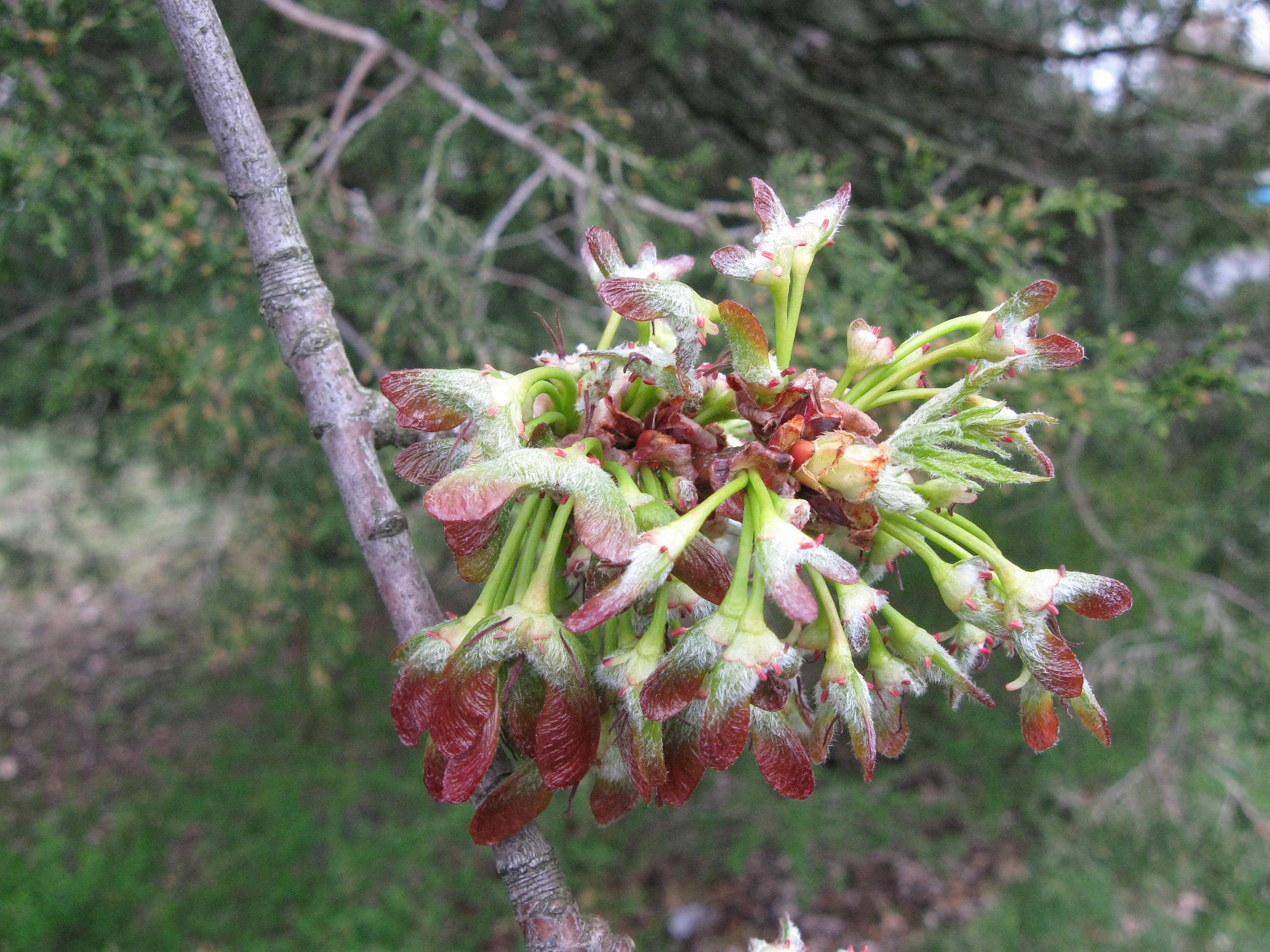
Help record the flowering and fruiting of trees like the silver maple pictured here.

A New Social Network Just for Botanists

March 14, 2011

This new website, www.my-plant.0rg,  was created by Richard Olmstead and funded by the National Science Foundation to foster communication among botanists working on specific groups of plants. Users can create their own ‘clade’, like New York mints for example, and invite others to join in the discussion to build a community of users with similar taxomomic interests.  The developers tout it as more than just another social networking site, My-Plant.org also provides integrations and links into other sites, tools and repositories of information both within iPlant and across the community as a whole.

The History of High School Botany Education in America

March 8, 2011

Margaret Conover, a botanist from SUNY Stony Brook, has written an interesting overview of how botany has been taught in American high schools from 1800 to the present.  She states that just over 100 years ago nearly all high-school students studied botany for a full year and emphasis was placed on identifying local flora.

Later, the “Golden Age of Botany Teaching” and the nature study movement of the early 1900s had students studying all aspects of plants in nature. The state Board of Regents even had a botany exam (which you can take yourself on page 4 of her article).What happened to this emphasis on botany in high schools? Read her article and you will find out why it is so different today.  Why a student who omits the answer to every plant related question on the Living Environments Regents Exam could still receive a passing grade of 80% and what the forces are that have led to the decline of botany as a subject in high school.

She ends with a note of hope that people are working to cure the “plant blindness” that pervades high-school biology education. To read the full article from the Long Island Botanical Society newsletter CLICK HERE.

Marielle Anzelone teaches high schoolers about plants in the Bronx. Photo Drosera.com

The Authors of the Cyperaceae of Maine Need a Few Photos

March 8, 2011
Glen Mittelhauser is in the final stages of compiling and editing a field guide to the Cyperaceae of Maine (collaborative effort with Alison Dibble, Matt Arsenault, Don Cameron, Jill Weber, Sally Rooney, and Arthur Haines) and is on track for having this guide published in the next year or two.  The field guide has numerous color photos throughout, with photos of many key characters needed for field identification of each species.  They are slowly picking away on the list of taxa for which they have no photos.  They need photos of the 6 taxa below that they would like to use in their publication (just about any photos would do for these species).  They will give full photographer credit for any donated photos.
Carex macloviana
Carex praegracilis
Carex rariflora
Cyperus houghtonii
Eleocharis intermedia
Eleocharis nitida

If you have a photos of one or more of these species, contact

Glen Mittelhauser, Biologist
Maine Natural History Observatory
317 Guzzle Road
Gouldsboro, ME 04607
(207)963-2012
purplesandpiper@gmail.com

Is There a Complete Illustrated Online Plant Glossary?

February 27, 2011

I have been looking for a complete illustrated plant glossary that would be accessible online. The closest I have come is one called the Botanical Visual Glossary by the LSU herbarium another by Arieh Tal that use photos to show plant parts with little arrows.  This is a good start and I hope they continue adding more terms and more photos to their terms in this fashion. Maybe one of our readers knows of another online glossary that I am missing. My ultimate wish would be to have online dichotomous keys (I have a hard time with random access interactive keys; I don’t think you learn characters as well with them) that would have hotlinks to photos or short videos to the descriptive words or phrases in the couplets. – Steve Young

Photo showing the term "revolute" in the Tal glossary

Ladybird Johnson Wildflower Center Recommended Plants for New York

February 18, 2011

Visit THEIR WEBSITE to see a list of New York commercially available native plants suitable for planned landscapes.  We have not gone through the list to see how good it is but maybe some of our readers can comment. They have a lot of nice photos however.

2011 Is the UN’s International Year of the Forests

February 17, 2011

You can help celebrate this with the UN by going to their website and learning more.  This is important since most of New York is forested.

Here is the introduction at their website:

Welcome to the International Year of Forests, 2011 (Forests 2011) Web site, a global platform to celebrate people’s action to sustainably manage the world’s forests. The United Nations General Assembly declared 2011 as the International Year of Forests to raise awareness on sustainable management, conservation and sustainable development of all types of forests.

Here, you will find information regarding events being organized throughout the International Year as well as interactive web tools and resources to promote dialogue on forests. Tell us how you plan to celebrate “forests for people” during 2011, so that we may showcase your stories and initiatives through this website.

Access the website HERE.

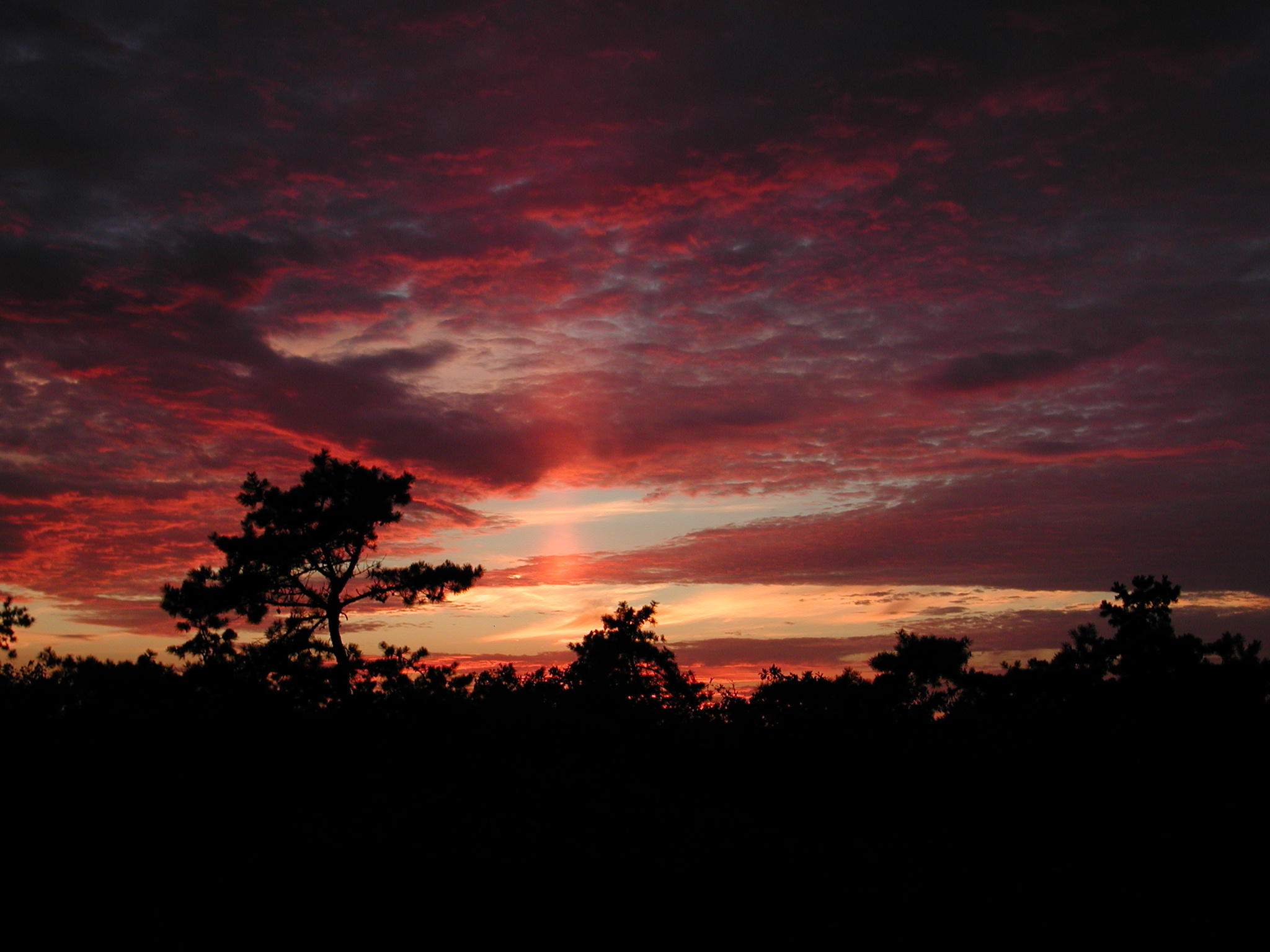
Sunset over the forests of the Long Island Pine Barrens. Photo Steve Young.

Find a Location on Bing, Google and USGS Topo Maps Using UTM, Lat-Long or MTM (Canada)

February 1, 2011

If you want to enter GPS coordinates in web-based maps it can be a hassle to convert the coordinate systems depending on how you record them.  There is a great website that does it for you and with one click will go to the web map you want.  It is called leware.net and can be found at http://leware.net/geo/utmgoogle.htm. For a UTM set of coordinates, for example, just fill in the yellow boxes with zone 18T and hit the display button.  It will take you directly to your location on the map, even in Bing Birds-eye view. This is a very simple and handy tool that I use all the time now to find locations that I record on my GPS. – Steve Young

A sample of page 1 of the website.